What Should a Swimmer Drink at a Meet? Race-Day Hydration
Short answer: At a swim meet, your swimmer should drink water plus a sports drink at about 6% carbohydrate concentration, sipped steadily through the whole day rather than chugged. The 6% drink replaces fluid and electrolytes while trickling in fuel between races. Stay away from drinks at 8% carbohydrate or stronger (they upset young stomachs) and away from high-caffeine energy drinks entirely. Start race day already hydrated: water with dinner the night before and with breakfast.
Swimpros runs Europe's most popular performance swim camp right now, and hydration is the most invisible mistake at swim meets. Nobody sees a swimmer sweat, the pool deck is warm and humid, and by the afternoon session a slightly dehydrated swimmer is flat and slow and nobody knows why.
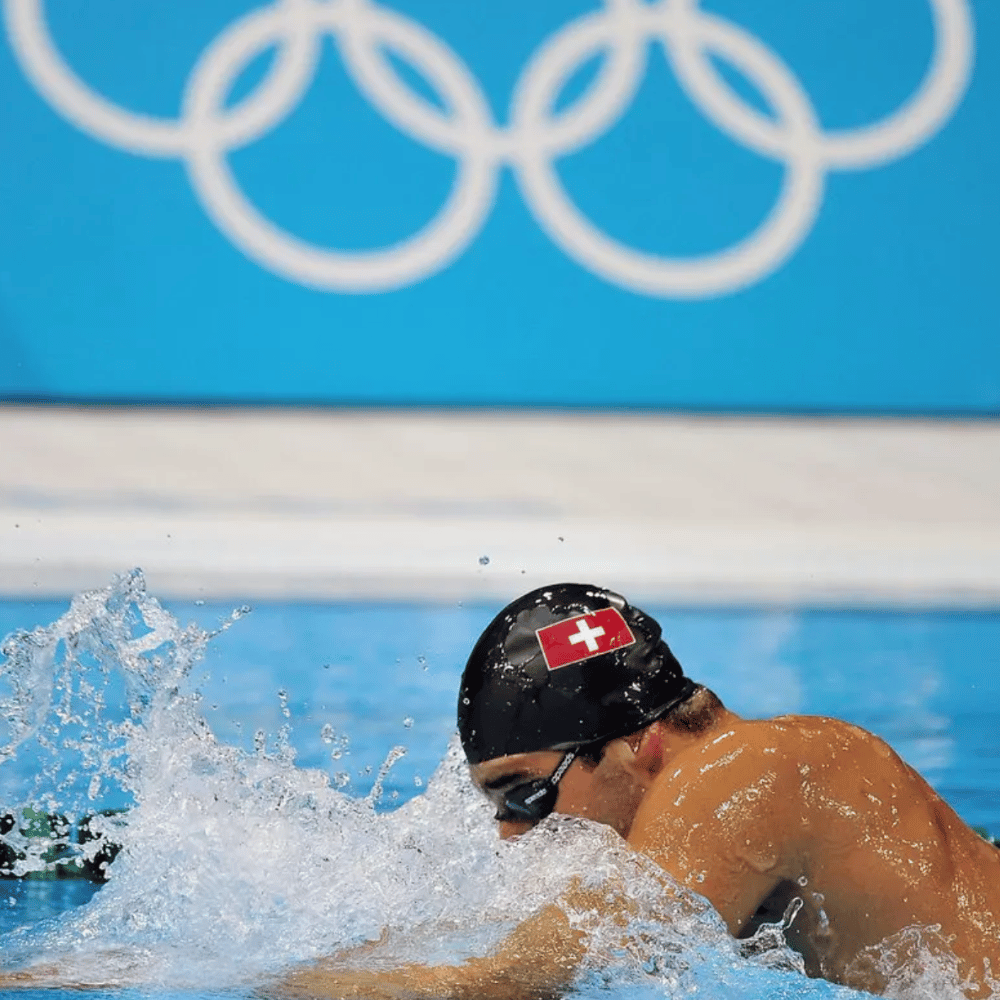
I am David Karasek, an Olympian and Swiss record holder in the 200m IM. Here is the simple drink plan that covers a whole meet day.
In this article
The race-day drink plan
The plan fits in four lines:
- Night before and breakfast: water with the meal, so race day starts topped up, not in a hole. (The full evening plan is in what to eat the night before a swim meet.)
- In the bag: a water bottle plus a bottle of 6% carbohydrate sports drink. Two bottles, that is the whole kit.
- All day: small, steady sips from both. Not big chugs. A stomach full of liquid right before a heat feels exactly as bad as it sounds.
- Nervous swimmer who cannot eat? The 6% sports drink doubles as liquid fuel. This is the same trick we use at breakfast when nerves kill appetite: liquid carbs beat no carbs.
Sip steadily all day. The swimmer who drinks little-and-often beats the swimmer who chugs a bottle when they finally feel thirsty, because thirst shows up late.
Why 6% is the magic number
The research on teenage athletes keeps landing on the same concentration: a sports drink at about 6% carbohydrate (that is 6 g of carbohydrate per 100 ml). At that strength, the drink does three jobs at once over a long meet day:
- Replaces fluid lost to sweat during warm-up, racing and hours on a hot deck. And yes, swimmers sweat; you just never see it.
- Replaces electrolytes, which plain water does not.
- Trickles in carbohydrate between races, supporting the grazing plan from our between-races fuelling guide without sitting heavy in the stomach.
Most mainstream sports drinks sit at about 6%; the label math is simple: carbohydrate grams per serving, divided by serving size in ml, times 100. A 500 ml bottle with 30 g of carbohydrate is exactly 6%.
What not to drink: the 8%+ trap and energy drinks
- Drinks at 8% carbohydrate or higher (many fruit juices, regular sodas, and some sports drinks) tend to cause stomach discomfort in young athletes, exactly what you do not want between heats. If it tastes syrupy, it is probably too strong; dilute it or swap it.
- High-caffeine energy drinks are a no for teenage swimmers. A nervous swimmer behind the blocks already has all the adrenaline they need. Stacking caffeine on top adds heart rate, jitters and stomach upset, and solves nothing that water plus a 6% drink does not solve better. If your swimmer struggles with pre-race nerves, the fix is the mental game, not a can: that is exactly what we coach daily at camp.
- Nothing new on race day. The same rule as food: whatever your swimmer drinks at a meet should already be tested at training.
Key takeaways
- Two bottles: water plus a 6% carbohydrate sports drink. Sip both steadily all day.
- 6% = fluid + electrolytes + a trickle of fuel, without upsetting the stomach.
- 8%+ drinks (juice, soda, strong mixes) commonly cause stomach trouble in young athletes.
- No energy drinks for teens: caffeine on top of race adrenaline backfires.
- Start hydrated (water the night before and at breakfast) and never trial a new drink on race day.
Frequently asked questions
What is the best drink for a swimmer at a meet?
Water plus a sports drink at about 6% carbohydrate, sipped steadily through the day. The 6% drink replaces fluid and electrolytes while trickling in carbohydrate between races. Drinks at 8% or stronger tend to upset young stomachs.
How should a swimmer drink during a meet day?
Steadily, not in big chugs. Small regular sips across the whole day beat a large volume at once, which sits heavy before a race. Start the day already hydrated.
Are energy drinks OK for a teenage swimmer before racing?
No. High-caffeine energy drinks add nerves and heart rate on top of pre-race adrenaline, can upset the stomach, and fix nothing that water plus a 6% sports drink does not fix better.
Do swimmers even sweat in the pool?
Yes. Hard racing, warm-up and hours on a hot, humid deck all cost fluid, even though nobody sees the sweat. That is why steady sipping matters over a long meet day.
About the author. David Karasek is a Swiss Olympian (London 2012, 200m IM) and Swiss national record holder (2:01.35). He swam NCAA Division I for the University of Virginia before representing Switzerland at the Olympics. He is the founder of Swimpros, Europe's most popular performance swim camp right now, where he coaches the race-day mental game alongside head coach Yul Munger.
Race day is habits, not luck.
At camp, fuelling, hydration and the pre-race mental routine become automatic. Come see us at Swimpros, Europe's most popular performance swim camp right now.
See the campMore for swim parents
🌊 Connect with Swimpros
Performance camp (swimpros.com) · Free Skool group · YouTube · Instagram · Facebook · LinkedIn