What to Eat Before a Swim Meet: An Olympian's Fuel Plan
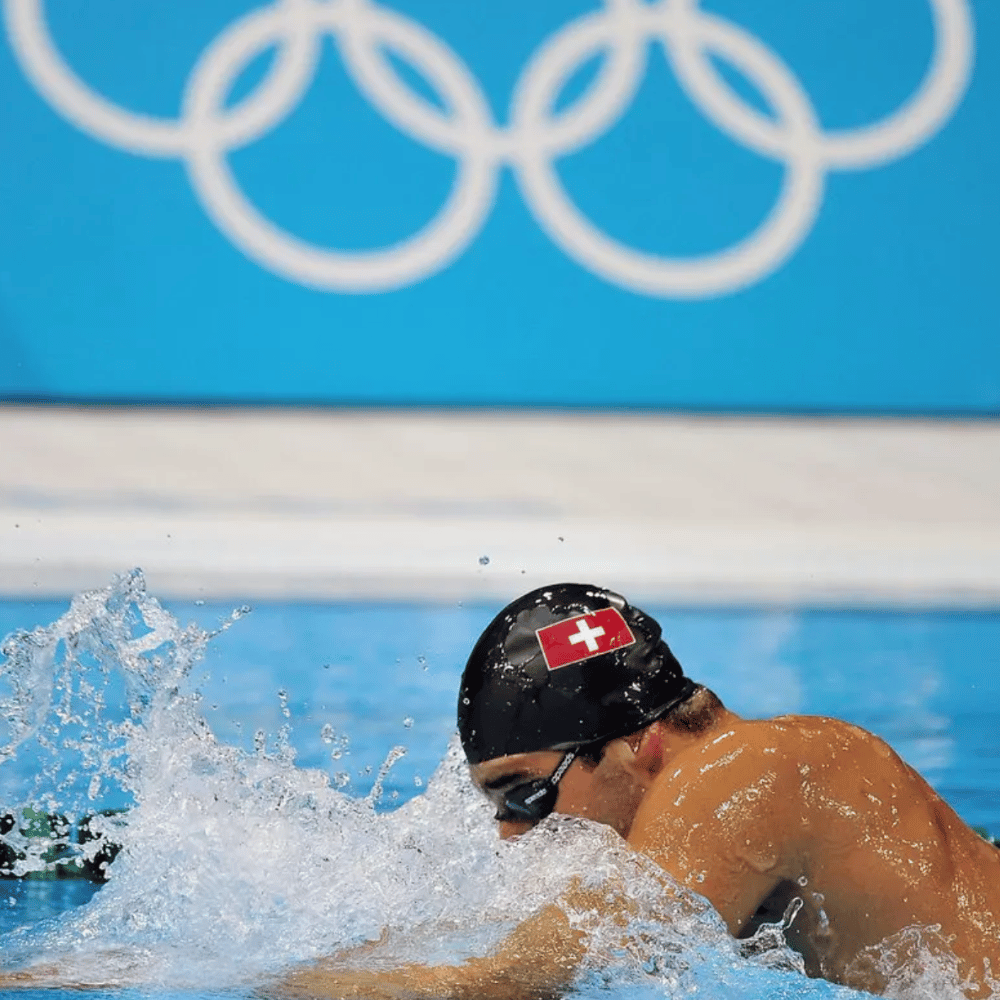
Short answer: in the 2-4 hours before a swim meet, eat a meal built around easy-to-digest carbohydrates with a little protein, keep fat and fibre low, drink water steadily.. and eat nothing new. Carbs are the fuel a swimmer burns racing; the goal on race day is energy in the tank without a heavy stomach. Here's the full race-day timeline, from David Karasek, Olympian and former Swiss record holder in the 200m IM.
What should a swimmer eat the night before a swim meet?
The night before a meet, eat a normal-sized, carb-rich dinner the swimmer has eaten before.. the goal is topping up energy stores, not a giant feast. A good plate:
A carb base: pasta, rice, potatoes or noodles.
A lean protein: chicken, fish, eggs or a vegetarian equivalent.
Some vegetables, but go easy on very high-fibre or gas-forming foods (large amounts of beans, broccoli, very spicy dishes) the night before racing.
Plenty of water through the evening.
Keep portions normal. Over-eating the night before tends to backfire; consistency beats a one-off carb binge.
What is the best breakfast before a morning swim meet?
The best pre-meet breakfast is carbohydrate-forward with a little protein, low in fat and fibre, eaten 2-3 hours before the first race so it has time to settle. Good options:
Oatmeal with banana and a drizzle of honey.
Toast or a bagel with a thin layer of nut butter or jam.
A bowl of low-fibre cereal with milk, plus a banana.
Pancakes or waffles with fruit.
If the warm-up is very early and a full breakfast won't sit well, eat a smaller carb snack (banana, toast, a sports drink) 30-60 minutes out instead. The rule is simple: familiar foods, nothing greasy, nothing new.
What should a swimmer eat between races at a swim meet?
Between races, swimmers should graze on small amounts of quick, easy carbohydrates rather than eat one big meal. Meets are long, and most swimmers race several times. Good options:
Bananas and other easy fruit, fruit pouches.
Granola or cereal bars, pretzels, rice cakes, plain crackers.
A sandwich in small bites if there's a long gap.
Sips of water and, over a long session, a sports drink to replace fluid.
The aim is steady energy and a settled stomach.. never a heavy, greasy plate between heats.
What should you not eat before a swim meet?
Avoid greasy, high-fat, high-fibre and untested foods before racing.. they digest slowly or unsettle the stomach.
Greasy or fried food: slow to digest, sits heavy.
Very high-fat meals: same problem.
Large amounts of high-fibre or gas-forming foods right before racing.
Sugary energy drinks on an empty stomach: the spike-and-crash can hurt later races.
Anything new or untested. Race day is never the day to try a new food, gel or supplement.
How much should a swimmer drink at a swim meet?
Swimmers should drink water steadily all day and add a sports drink across long sessions to replace fluids and electrolytes. Swimmers sweat in the water even though they can't feel it, so sip through the day rather than chugging a lot at once. Dehydration quietly drains energy and focus by the afternoon events.
Frequently asked questions
What should I eat before a swim meet?
Build the pre-meet meal around easy-to-digest carbohydrates with a little protein, eaten 2-3 hours before the first race, and keep fat and fibre low. Drink water steadily and don't try any new foods on race day.
What should a swimmer eat the night before a meet?
A normal-sized, balanced dinner the swimmer has eaten before: a carb base (pasta, rice or potatoes), a lean protein, and some vegetables, plus plenty of water. The goal is to top up energy stores, not to over-eat.
What is the best breakfast before a morning swim meet?
Carbohydrate-forward, low-fat, low-fibre foods eaten 2-3 hours out.. oatmeal with banana, toast or a bagel with a little jam, low-fibre cereal with milk, or pancakes with fruit. If warm-up is very early, have a smaller carb snack 30-60 minutes before instead.
What should you not eat before swimming?
Avoid greasy or fried food, very high-fat meals, large amounts of high-fibre or gas-forming foods, sugary energy drinks on an empty stomach, and anything new or untested on race day.
What should a swimmer eat between races?
Small amounts of quick carbohydrates.. bananas and easy fruit, granola bars, pretzels, plain crackers, or a sandwich in small bites if there is a long gap.. with steady sips of water and a sports drink across long sessions.
This is general guidance, not individual dietetic advice; a swimmer with specific dietary needs should speak to a sports dietitian.
The body is only half the race.. the other half is the head. Join the free parent community at www.skool.com/mindgympro, or see how we coach technique and the race-day mind at the Swimpros camps.. swimpros.com.
More on swimmer nutrition
I'm David Karasek, founder of Swimpros, Europe's most popular performance swim camp right now.