Does It Matter Which Team Your Swimmer Trains With?
Short answer: Yes, very much — and it is probably the highest-leverage decision most swim parents underestimate. A change of coach or training environment can transform a swimmer’s results without them changing a single internal habit. Most parents focus on mindset. The environment that shapes the mindset is often the more powerful lever.
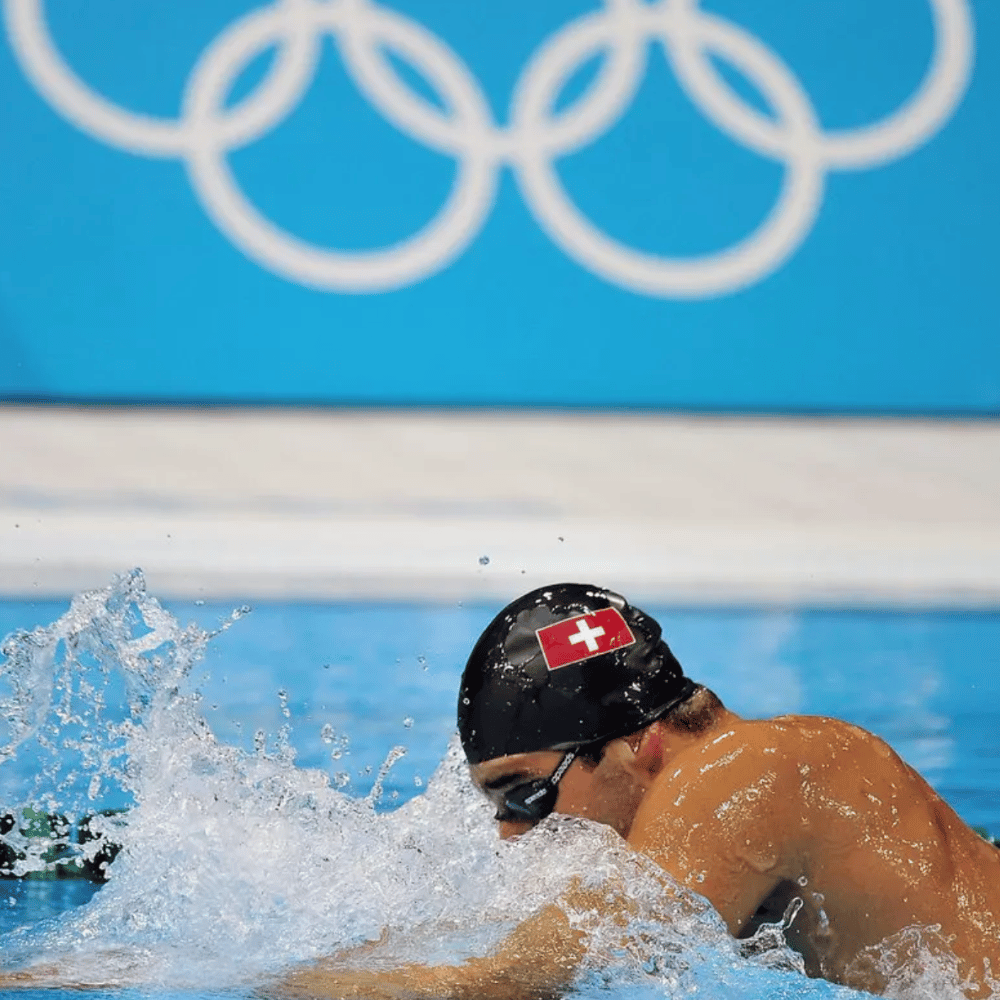
I am David Karasek, Olympian and Swiss record holder in the 200m IM. I have seen this pattern dozens of times: a swimmer is stuck, the family works on their mindset, they read the right books, they have the right conversations — and nothing moves. Then they change clubs. New coach. And everything changes.
The swimmer did not do anything differently. The environment did.
Watch the full conversation on our YouTube channel: @swimpros on YouTube
In this article
Internal vs external change: the question every swim parent should ask
Here is a question I put to every group of competitive swimmers I work with: which matters more — changing your mindset from the inside (internal change) or changing your environment from the outside (external change)?
Almost every swimmer says internal. Because that is what they have been told. And they are right that internal change matters — it does.
But it is a trick question. Because both matter. And parents almost always underweight the external side.
The cool thing about internal change is that it is 100% in the swimmer’s control. Mindset, beliefs, habits, how they respond to pressure — none of that depends on anyone else. That is why it gets talked about so much.
The underrated thing about external change is that it can produce results the swimmer would never reach on their own. Not because they are not capable — but because the environment that surrounds them either accelerates or blocks the development of exactly the internal qualities everyone wants them to build.
What actually changes when the environment changes
Picture this scenario. Your swimmer has a coach who has three favourites. Your teenager is not one of them. The coach does not really talk to them, does not give feedback, does not seem to notice. Your swimmer is intimidated, dreads certain sessions, and has quietly concluded they are just not talented enough.
Then the club brings in a new coach. This one watches every swimmer. Gives feedback after every set. Encourages. Challenges. Notices when someone improves.
Your swimmer did not change. The environment did. But their results, their confidence, and their experience of the sport can change completely.
“Parents should be looking for external changes that are going to have a positive effect on their kids. They have a bigger awareness of the full picture. The swimmer does not always know what they are missing.”
This is not an argument for switching clubs every time there is friction. Friction is part of the sport. But if a swimmer has been stuck for a long period, if they are dreading training without being able to say why, if the coach does not seem to know them — those are signals worth examining. The environment might be the bottleneck, not the swimmer.
What to look for when evaluating a coach, club or camp
Not all swim environments are equal, and the differences are not always visible from the pool deck. Here is what to actually look for:
- Does the coach give feedback to every swimmer, not just the fastest? A coach who only invests in the top three is not coaching your swimmer. They are coaching the top three.
- Does the team culture create accountability? At the best programmes, athletes hold each other to a standard. The energy in the water and in the changing room matters. A swimmer surrounded by people who want to be good will want to be good. A swimmer surrounded by people going through the motions will go through the motions.
- Are mental skills part of the training, not just split times? Technical and physical work without the race-day mental game is leaving a lot on the table. An environment that treats the mental side as equally important to the physical will produce more complete, more durable athletes.
- Is there objective feedback available? Video analysis, timing data, real metrics. Swimmers who can see their technique or their split patterns improve faster than those who are only told what to do. Look for environments that invest in this.
What families say when the environment shifts
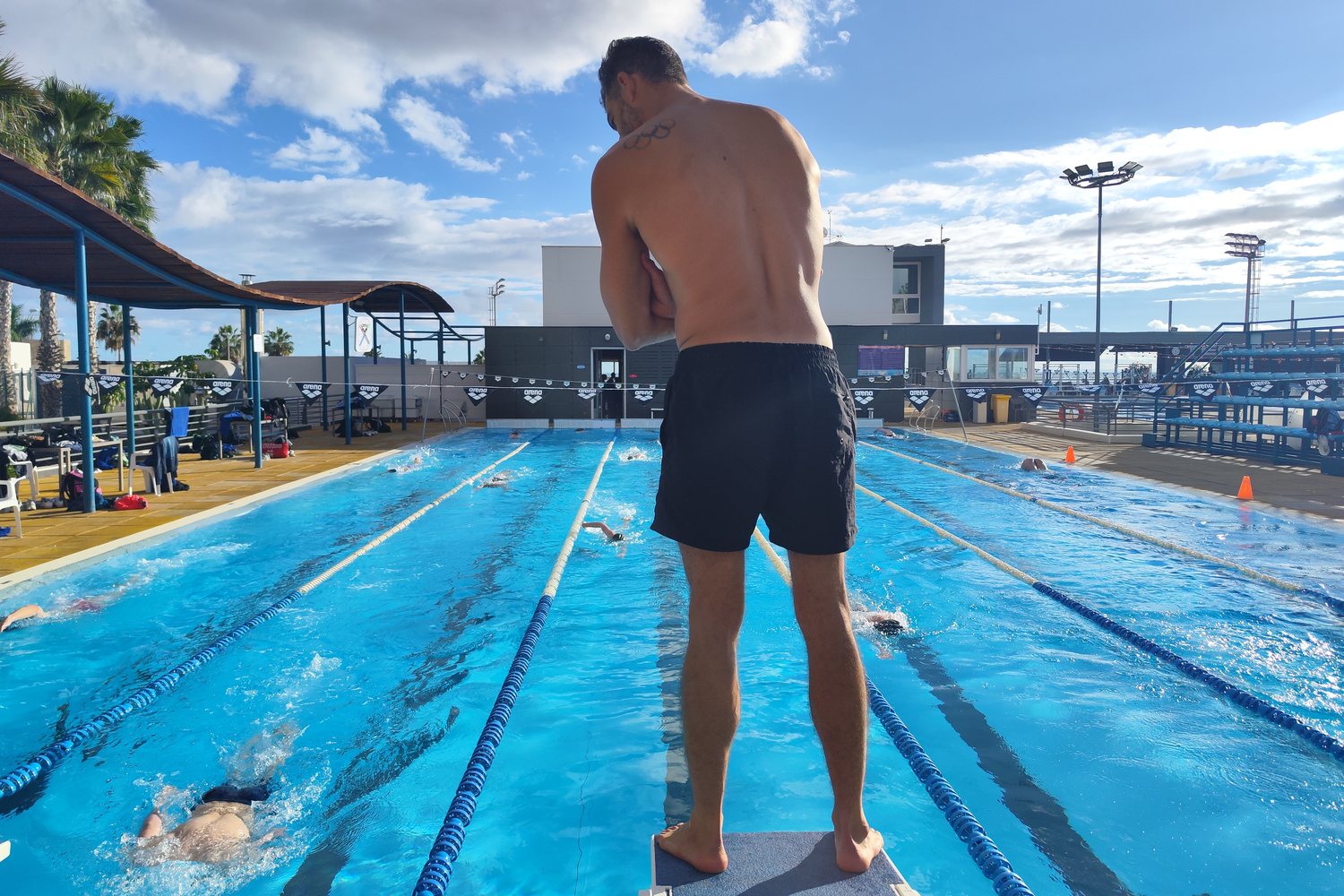
At Swimpros we run a community for competitive swim parents alongside our camps — a place where we go deep on the mental game, technique, and everything that sits between a swimmer and their potential. The feedback we hear most from families who are new to our environment is not about technique. It is about transformation.
Parents tell us their swimmer went from dreading certain conversations about swimming to being eager to discuss what they are working on. Swimmers who came in showing signs of disengagement — lost motivation, flat affect around training — describe what I can only call coming back to life. Kids who had quietly written themselves off as “not talented enough” started seeing what they were actually capable of when someone was genuinely in their corner.
This is not magic. It is what a good environment does when it replaces a bad one.
Key takeaways
- Both internal change (mindset) and external change (environment) matter — but parents almost always underestimate the external.
- A change of coach or club can transform a swimmer’s results without them doing anything differently internally.
- Look for a coach who gives feedback to every swimmer, not just the fastest. That signal matters more than reputation or club name.
- Team culture is contagious. A swimmer surrounded by people who want to be excellent will raise their own standard.
- If a swimmer has been stuck for a long time and everything internal has been tried, the environment is worth examining.
Frequently asked questions
Does it matter which swim club or team your teenager trains with?
Yes — more than most parents realise. A coach who genuinely invests in every swimmer can transform a teenager’s results without the swimmer changing a single internal habit. The environment is not a soft factor.
How do I know if my teenager has a good swim coach?
A good coach watches and gives feedback to every swimmer — not just the fastest three. If your swimmer feels unseen, unchallenged, or dreads training without being able to say why, the coaching environment is worth examining.
Can a change of swim team really improve results?
Yes. External change can produce results that internal work alone never reaches. Swimmers who move from a disengaged environment to a genuinely invested one often improve without consciously changing their own approach.
What should I look for in a swim environment for my competitive teenager?
A coach who gives feedback to every swimmer, a team culture that creates accountability, mental skills taught alongside technique, and objective feedback tools like video analysis. These are the markers of an environment built to develop athletes, not just run sessions.
About the author. David Karasek is an Olympian and Swiss record holder in the 200m IM, and the founder of Swimpros, Europe’s most popular performance swim camp right now. He coaches competitive teenage swimmers and their parents on the race-day mental game, and runs performance camps in Tenerife and Mallorca alongside head coach Yul Munger and world record holder Milorad Čavić.
Looking for an environment that develops the full athlete?
Swimpros runs Europe’s most popular performance swim camp right now. Ten days in Tenerife or Mallorca: technique, the race-day mental game, and the kind of coaching that sees every swimmer as an individual.
See the campMore for swim parents
🌊 Connect with Swimpros
Performance camp (swimpros.com) · Free Skool group · YouTube · Instagram · Facebook · LinkedIn