When Your Swimmer Wants to Quit: What Actually Helps
Short answer: A swimmer who says they want to quit almost never hates the water. They are reacting to stalled progress they do not know how to talk about. Help them say it out loud, redefine failure as something they control, and build a team around them for the hard stretches. Both outcomes of a race.. a personal best or a disappointment.. can be good if handled right.
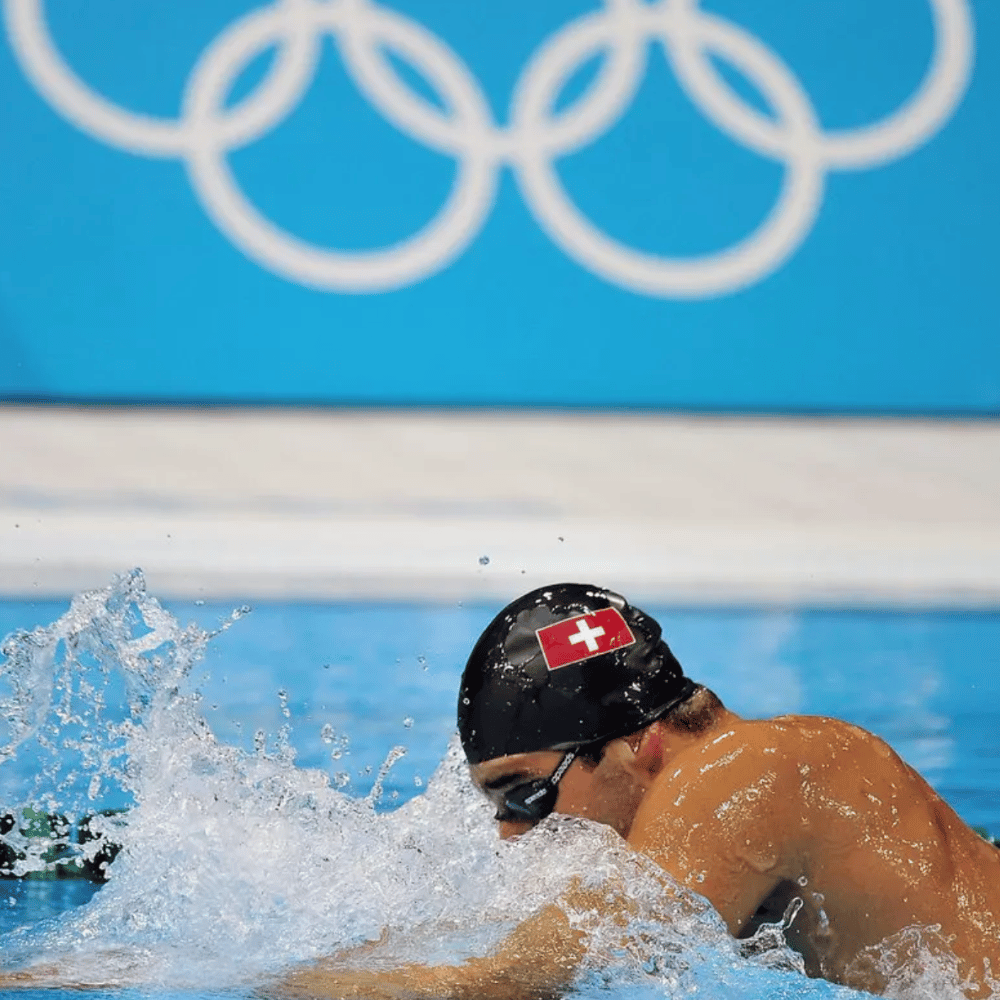
I am David Karasek, Olympian and Swiss record holder in the 200m IM, and founder of Swimpros. I have coached hundreds of competitive teenage swimmers through this exact moment, and I once walked out of a pool myself after 600 metres, told my coach I was done, and never went back. Every serious swimmer hits this point. What matters is not that it happens. It is how the people around them respond.
In this article
Why do swimmers say they want to quit?
Swimmers say they want to quit when results stall and they have no safe way to say so. Underneath every “I am not sure I want to do this anymore” is: things are not going the way I secretly hoped, and I do not know how to say that. Maybe progress has stopped. Maybe a comparison with a teammate is not adding up. Maybe an instrument, another sport, or a relationship is pulling harder because swimming stopped feeling like momentum. In hundreds of these conversations, stalled progress is the real signal, not the water itself.
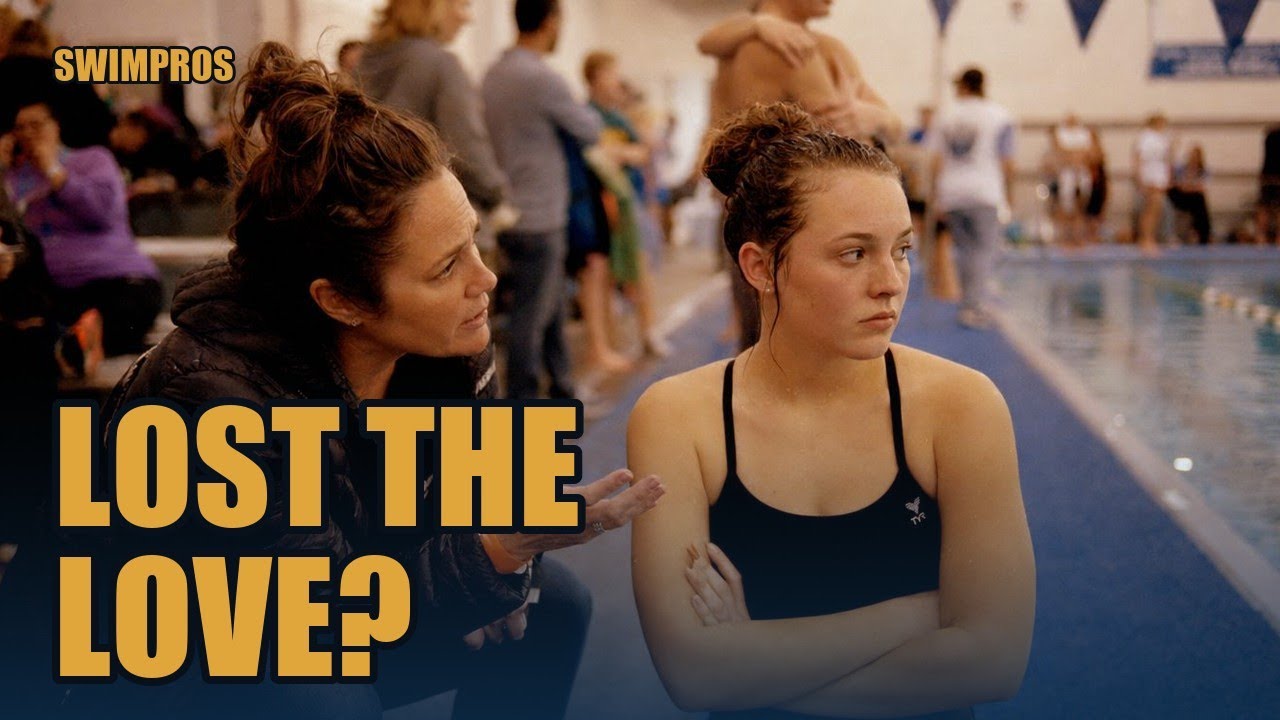
The swimmer does not need to be fixed immediately or talked out of it. They need someone safe to say it to, so the people who want to help them actually know what they are dealing with. The worst response is to miss the signal or paper over it with “just keep going.”
How do you reframe failure before a big meet?
Reframe the meet as win or learn: both outcomes are good, and learning is often worth more than another medal. The pressure a swimmer feels before a big competition comes from one place: fear of disappointing someone.. themselves, their parents, their coach. So set the frame in advance. Either they swim well and get what they wanted, or they fall short and learn. Every successful athlete failed often and early, until failure stopped being scary. Failure is not the outcome. It is what we do with the outcome.
Then replace the definition of failure itself. Swimmers always want to tie it to the time or the place, but the result is not fully in their control. The definition has to be something they control. Here is the one I give every swimmer at Swimpros, and almost all of them adopt it:
“You only fail when you do not try or when you give up. That is it. Everything else is information.”
That definition is 100% in their control. They can wake up on race day knowing the only way to fail is to not try or to quit. With somebody in their corner to help process whatever happens, they come out of the season better than they went in.
What is the difference between good pain and bad pain?
Good pain is the burn of adaptation; bad pain is a sharp, localised warning that means stop and speak up. This distinction is one of the most important things we teach at the Swimpros performance camps in Tenerife and Mallorca, and it comes from Milorad Čavić, world record holder, who coaches at the camp across August.
Bad pain is a sharp shoulder, a sore tendon, back pain, a headache that does not go away, trouble breathing normally. These are signals, and swimmers must speak up immediately. At camp we pull swimmers from the water with bad pain, no questions asked, until it is resolved.
Good pain is what competitive swimmers signed up for: lactic acid burning in the legs, a heart rate that feels like it will explode, holding a breath past the point where the body screams to stop. It is the body adapting. Most swimmers who plateau are not working at the edge of their good pain.. and most swimmers who want to quit have started to dread that edge, because nobody helped them build a relationship with it. That relationship is learnable, and it is one of the most important things a camp, a coach, or a parent can help build.
What should parents say and do?
Make it safe to talk, loop in the coach, and give the swimmer a definition of failure they fully control.
Make it safe to say it. “What is actually going on? Why is it less exciting right now?” is a better question than “what is wrong with you?”
Do not just say next season will be better. It will not get better on its own. The swimmer needs a process, not just time to pass.
Loop in their coach. A swimmer can only be helped if the adults on their team are aligned.
Help them define failure as the one thing fully in their control: did they try, and did they not give up.
Teach good pain from bad pain. They may be dreading what is actually just growth.
Key takeaways
Swimmers rarely want to quit the sport. They want to quit the feeling of not progressing.
Help them articulate what is actually going on.. do not dismiss or paper over it.
Win or learn: both outcomes of a competition can be good if handled right.
You only fail if you do not try or if you give up. Everything else is information.
Good pain (lactic acid, exhaustion) is a prerequisite for getting faster. Bad pain (tendons, sharp shoulder, back pain) is a signal.. always speak up about it.
The swimmer needs a team: parents, coach, and someone to help process the hard moments.
Frequently asked questions
What do I do when my teenager wants to quit swimming?
First, find out why. It is almost always because progress has stalled, not because they hate the water. Help them articulate what they are feeling, involve their coach, and reframe failure together: a swimmer only fails when they stop trying or give up.. the outcome itself is not in their control.
Is it normal for a competitive swimmer to lose motivation?
Yes, completely normal. Every serious athlete hits a stretch where momentum stalls. What matters most is how the adults around them respond.. with a process that turns frustration into fuel, not just “next season will be better.”
What is the difference between good pain and bad pain in swim training?
Good pain is lactic acid, a racing heart, and tough sets that push the body to adapt.. the discomfort competitive swimmers signed up for. Bad pain is sharp tendon pain, shoulder pain, or back pain: signals of potential injury that must be reported immediately.
How do I talk to my swimmer about wanting to quit?
Create a space where they feel safe to say what they are actually feeling. Ask: what would make training feel worth it again? Then build a plan with their coach. The conversation matters as much as the answer.
About the author. David Karasek is an Olympian and Swiss record holder in the 200m IM, and the founder of Swimpros, Europe’s most popular performance swim camp right now. He coaches competitive teenage swimmers and their parents on the race-day mental game, and runs performance camps in Tenerife and Mallorca alongside head coach Yul Munger and world record holder Milorad Čavić.
Want the mental tools your swimmer needs for the hard stretches?
Swimpros runs Europe’s most popular performance swim camp right now. Ten days in Tenerife or Mallorca, where swimmers work on technique, race-day mindset, and what it actually means to push through the good pain.
More for swim parents
🌊 Connect with Swimpros
Performance camp (swimpros.com) · Free Skool group · YouTube · Instagram · Facebook · LinkedIn