From Choking at NCAAs to an Olympic Record: 3 Shifts
🔥 Inside this story — and what it means for your swimmer:
🧊 Why talented swimmers freeze when it counts — and why it's not a confidence problem.
🔄 The training–competition flip that most coaches teach completely backwards.
🌬️ The 4-2-8-2 breath Phelps' team used to turn nerves into speed — and the one reason it fails when parents teach it at home.
🏅 Out of 70 college swimmers, only 8 went to see Phelps' psychologist. Five made the Olympic team. That wasn't luck.
🧠 The skill underneath all of it — the one that follows your kid into exams, interviews, and the rest of their life.
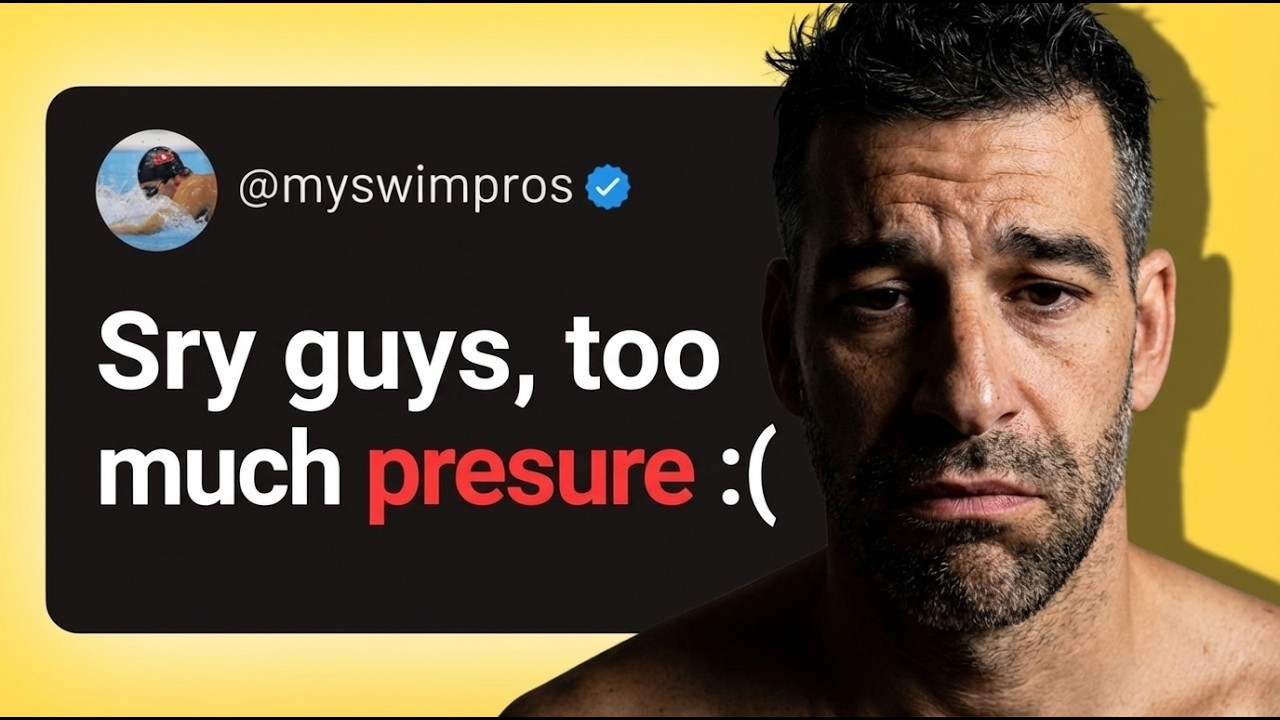
In 2011 I walked into the locker room at the NCAA Championships as one of the fastest freestylers in the United States — the second-fastest 200 free time in the entire NCAA. I pulled on my race suit… and completely fell apart. Chest tight. Neck locked. Heart through the roof. Honestly? I didn't even want to be there.
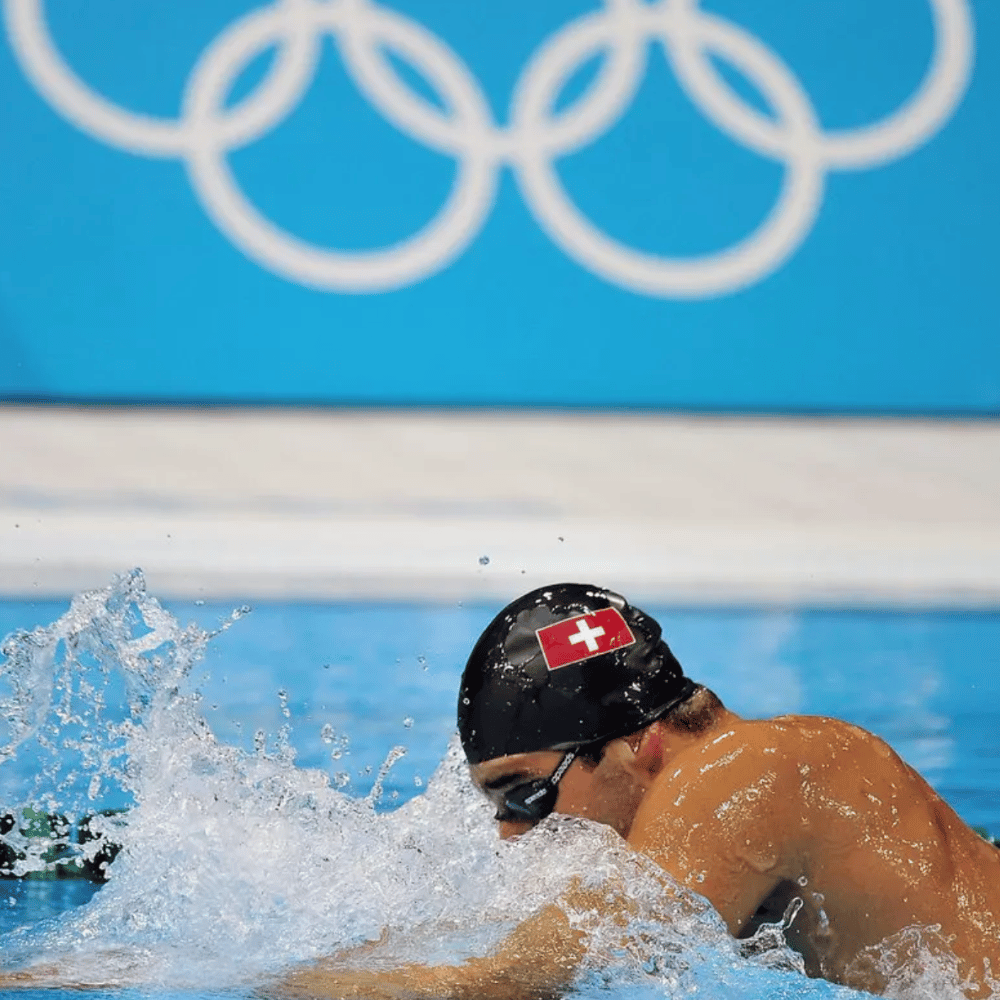
Fourteen months later I stood on the blocks at the 2012 Olympic Games and broke a national record in front of 15,000 people and millions more watching at home. Calm. Happy. Using the nerves instead of drowning in them.
Three things changed between those two moments. I'll name all three — but the one most parents miss entirely is probably not the one you'd guess. 👇
🧊 Why your swimmer freezes (it isn't in their head)
Here's what almost nobody tells you: visualization and positive self-talk are cognitive tools — they work in the thinking brain. But what happens in the call room and on the blocks isn't a thought. It's a physiological event. The nervous system has already taken the wheel, and you cannot think your way out of a nervous-system response.
That's why a swimmer can do everything ‘right’ and still seize up. The tool doesn't match the problem. The fix is to train the nervous system directly — through pressure, repeatedly, in practice. How you actually do that is the whole game, and it's what I walk through on camera.
Out of 70 swimmers on our team, only 8 chose to go see the psychologist who worked with Michael Phelps. Five of those eight made the Olympic team. That's not a coincidence — that's what happens when you train the right thing.
🔄 The flip almost everyone gets backwards
Most swimmers — and I was exactly this kind — treat practice casually and competition deadly seriously. They cruise the sets, then flip a switch on race day, tighten up, and try too hard. It's precisely the wrong way around.
Train like it's the Olympics. Race like it's just a swim. The moment you flip those two, practice gets sharper and racing gets loose and fun — because you've stripped the ‘event’ status off the race. And there's a reason this is the exact piece that makes the breathing finally work… which brings me to the part I really want you to get.
🌬️ The 4-2-8-2 breath — and why it fails at home
Inhale 4, hold 2, exhale 8, hold 2. Phelps used a version of it. I used it on the blocks at my very last chance to qualify for London. But here's what nobody tells you: it doesn't erase the nerves — the long exhale hits the brake pedal of your nervous system and converts that spike of energy into speed and focus instead of fear.
The catch — the thing most parents miss when they teach this at bedtime — is that it only works under pressure if it's been practiced under pressure first. The tool, the timing, and the training environment all have to connect. That last piece is exactly what I show inside the community.
Want the full Swimpros framework?
The step-by-step system I use with national record holders, an Olympic champion, and a thousand swim parents who are serious about this. It's free, and it's where I put everything.
Join the free Swimpros Skool group →
The swimmers who make it aren't always the most talented. They're the ones whose parents understood this early enough to do something about it. Watch the full story above — then come build the system with us. 🟡More on competitive swimming
Does It Matter Which Team Your Competitive Swimmer Trains With?
How to Break a Swimming Plateau (When the Times Stop Dropping)
How to Improve the Underwater Dolphin Kick (More Hips, Less Knees)
I'm David Karasek, founder of Swimpros, Europe's most popular performance swim camp right now.