How to Break a Swimming Plateau When Times Stop Dropping
Short answer: a swimming plateau is almost always a technique ceiling, not a fitness problem. The fitness is real.. an inefficiency in the stroke is capping how much of it reaches the scoreboard, and the way out is swimming better, not harder.
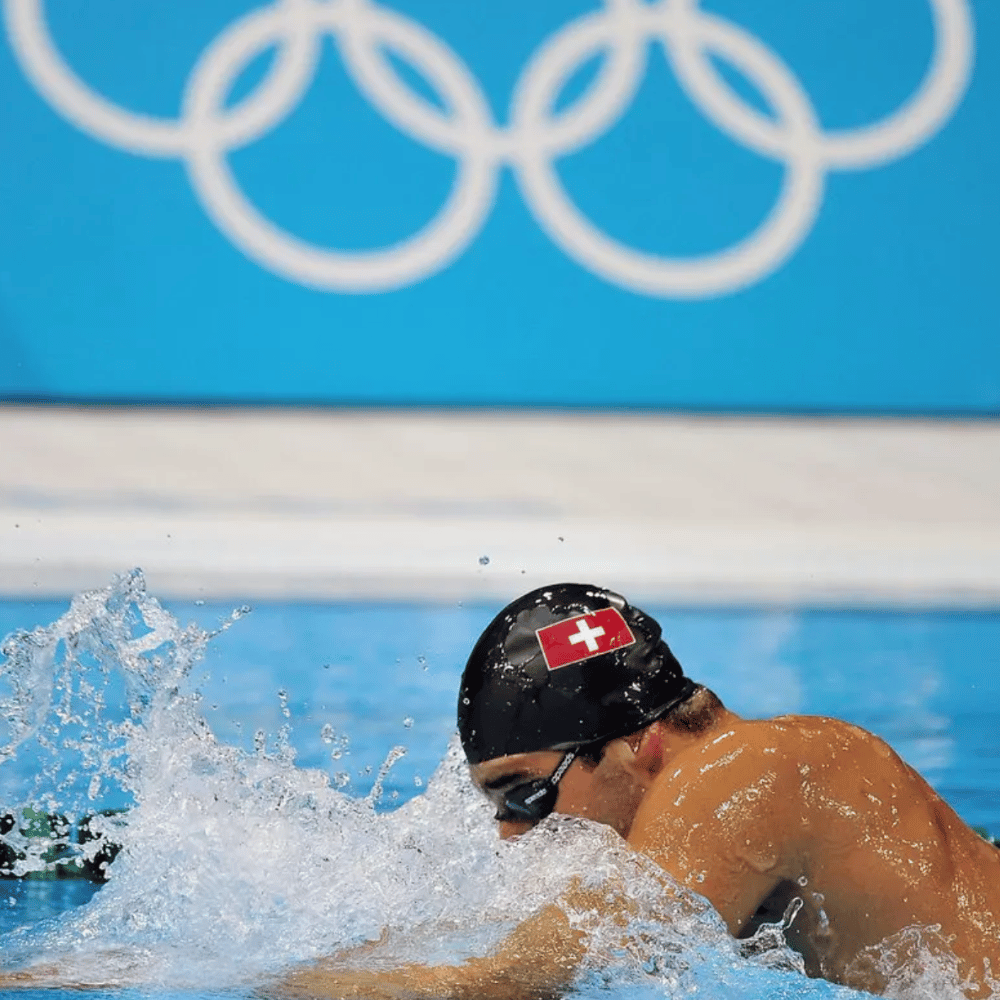
I'm David Karasek, Olympian and former Swiss record holder in the 200m IM, and I can promise you the swimmers who keep dropping time aren't the ones who simply train hardest. They're the ones who keep getting more efficient. Here's why plateaus happen and exactly how to break one. 👇
Why has my swimmer stopped improving?
Most swimmers stop improving because conditioning outruns technique: they keep getting fitter, but a sloppy stroke caps how much of that fitness becomes speed. Two things happen at once. First, improvement always slows down.. age-group swimmers drop seconds by the bucket, elite swimmers claw for hundredths. The better a swimmer gets, the smaller the margins. That part is physics and you can't cheat it.
The second part is the one parents miss. A swimmer can get fitter and stronger every month and still slam into a technique-imposed ceiling that feels exactly like a plateau. You cannot out-muscle or out-cardio bad technique. The water simply won't allow it.
Even at the elite level, swimmers only convert about 30% of the power they generate into forward motion. The other 70% is wasted on drag and timing. That's how much room technique leaves on the table.
What does the research say about swimming plateaus?
Research on competitive swimmers points to technique as the main factor separating those who keep improving from those who flat-line. A study (Ruiz-Navarro and Born, 2025) found that elite swimmers kept improving after age 14-15 while lower-level swimmers' progress stalled.. and the main difference was motor skills and swimming technique. Swimmers with rough technique plateaued much sooner; swimmers with clean technique had far more runway to keep getting faster.
That's the whole game. Technique isn't something to work on "later," when the mood strikes. It should be workout one, meter one.. because it's the single biggest factor in how long a swimmer can keep improving.
How do you break through a swimming plateau?
You break a plateau by fixing the five biggest efficiency leaks in the stroke: streamline, hip position, breath timing, hand acceleration, and turns. Here's the checklist I'd run:
Tighten the streamline.. the cheapest speed in swimming, off every wall.
Elevate the hips to reduce drag and let the body ride higher.
Fix the breath timing so breathing doesn't stall the stroke.
Accelerate the hand through the pull instead of pulling at one flat speed.
Clean up the approach into turns... sloppy walls quietly cost seconds.
None of these are "little" things, and they pair with the mental side too.. a plateau is demoralizing, and how a swimmer interprets it matters. That blend of technique and mindset is exactly what we drill at the Swimpros Performance Accelerator in Tenerife, Europe's most popular performance swim camp right now, where 10 focused days often break a plateau that months of normal training couldn't.
🔑 Key takeaways
A plateau is usually a technique ceiling, not a fitness problem.
Improvement naturally slows as swimmers get better.. that part is normal.
Good technique gives a swimmer more runway to keep dropping time.
Break through by swimming better, not just harder.
Swim parent FAQ
Why has my swimmer stopped improving?
Most plateaus are a technique ceiling, not a fitness problem. As swimmers get fitter their margins shrink, and any stroke inefficiency caps how fast that fitness becomes speed. Cleaning up technique is usually what unlocks the next drop.
Are swimming plateaus normal?
Completely. Every swimmer plateaus because improvement always slows as you get better. It's a stage to work through, not a sign your swimmer has peaked.
How do you break through a swimming plateau?
Shift from working harder to swimming better: streamline, hips, breath timing, hand acceleration, and turns. Better technique gives more runway to keep improving.
How long does a plateau last?
It usually breaks once the limiting factor (most often technique) is addressed. Swimmers who treat technique as a daily priority plateau later and break through sooner.
📚 More for swim parents
Break the plateau with us
Ten focused days of technique + mindset coaching in Tenerife is one of the fastest ways to break a stubborn plateau. See the Swimpros Performance Accelerator.. or get a feel for how we coach first, free.
Or join the free Swimpros Skool group at www.skool.com/mindgympro.. no cost, no commitment.
A plateau isn't a wall. It's a signal.. almost always pointing at technique. Fix the leak, and the times start dropping again. 🟡
🌊 Connect with Swimpros
Performance camp (swimpros.com) · Free Skool group · YouTube · Instagram · Facebook · LinkedInRelated reading