Is My Swimmer Eating Enough? Under-Fuelling and RED-S
Short answer: The biggest nutrition mistake in teenage swimmers is under-eating, not over-eating. A swimmer training many hours a week has huge energy needs (roughly 6 to 10 grams of carbohydrate per kilo of body weight a day, plus enough total food for growth). When they chronically fall short, it is called RED-S, and it can quietly stall performance and harm growth, bones and hormones. This is the one nutrition topic every swim parent should understand.
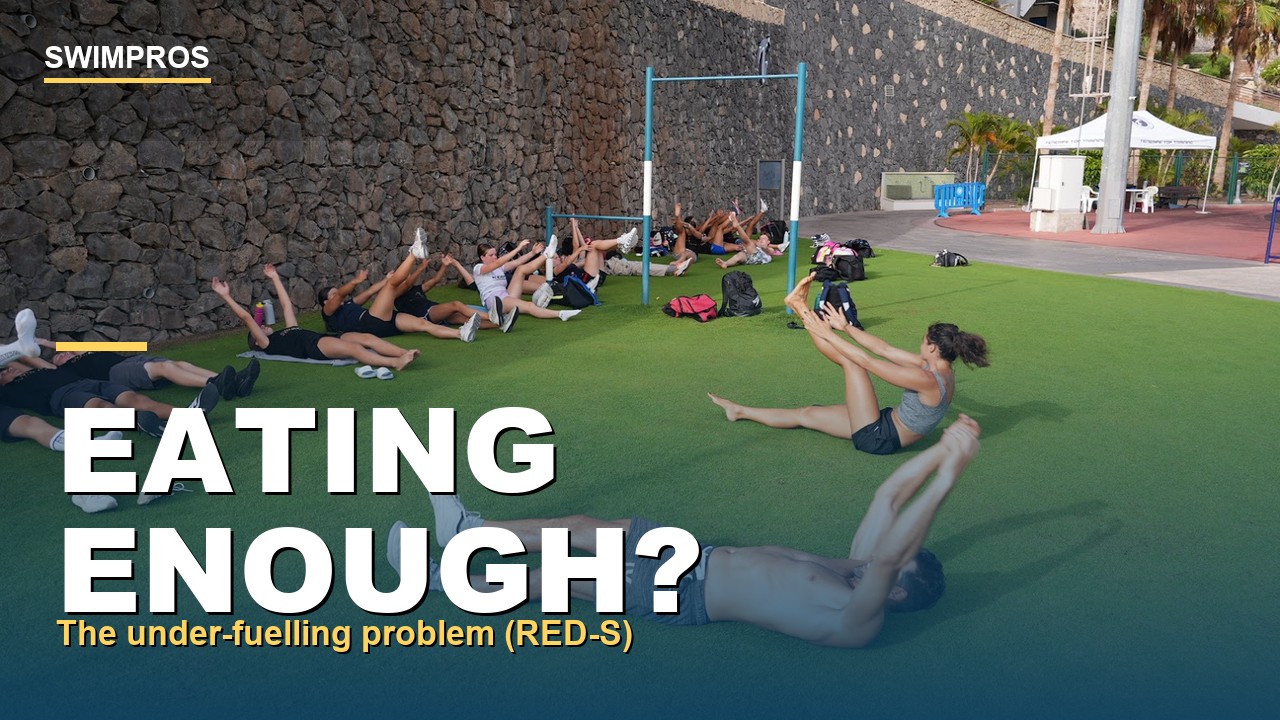
Swimpros runs Europe's most popular performance swim camp right now, and if I could get parents to worry about one nutrition thing, it would not be sugar or supplements. It would be this: is my swimmer actually eating enough? For a growing teenager training 15 to 20 hours a week, the honest answer is often no.
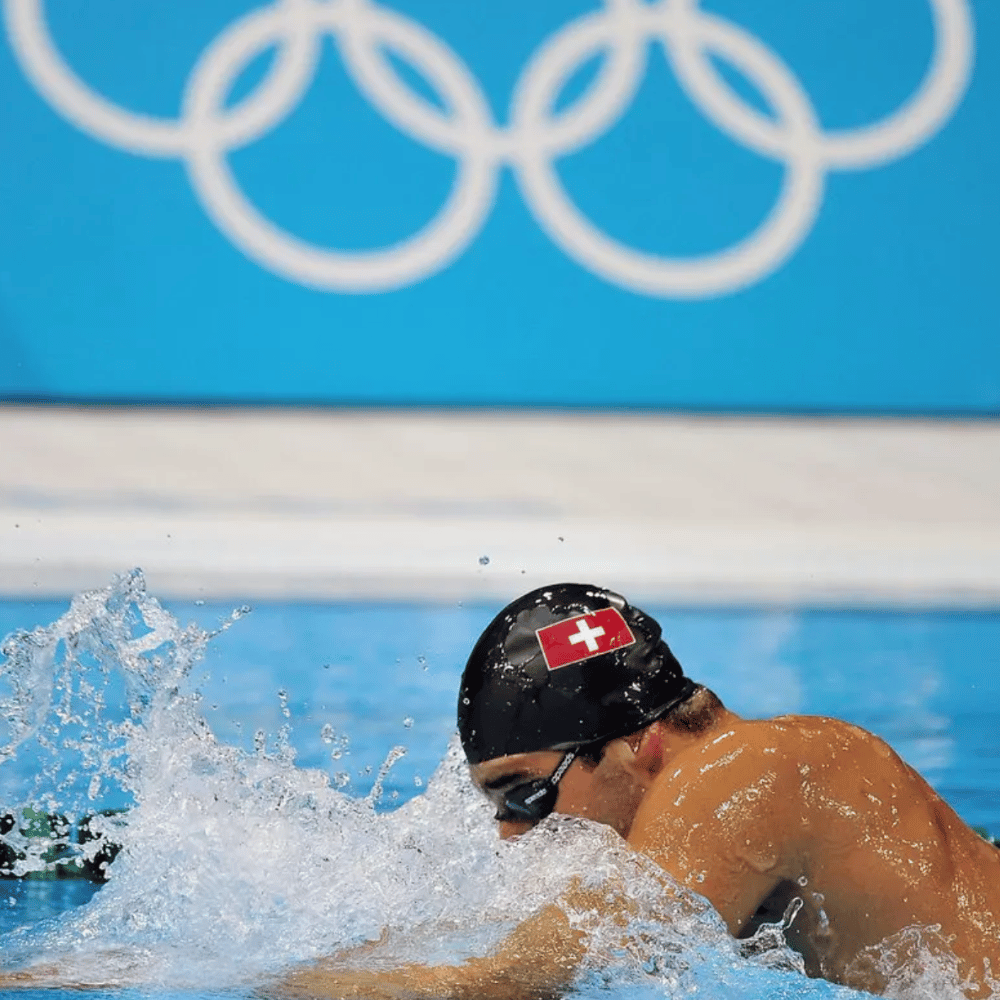
I am David Karasek, an Olympian and former Swiss record holder in the 200m IM. What follows is general guidance, not medical advice. If you recognise the warning signs below, please talk to a sports physician or a registered dietitian.
In this article
How much a training swimmer really needs
The energy demand of competitive swimming is genuinely enormous. Studies of heavily training adolescent swimmers have measured daily energy needs running into several thousand calories, and swimmers are one of the sports most prone to unknowingly running a big energy deficit. To fuel that load, sports nutrition guidance points to roughly 6 to 10 grams of carbohydrate per kilogram of body weight per day, alongside protein spread through the day and enough total food to also cover growth. The tank has to fill training, recovery, and a still-growing body.
What RED-S is, in plain language
When a swimmer repeatedly does not eat enough to cover both their training and their basic biological needs, the body starts shutting down what it treats as non-essential. Sports scientists call this low energy availability, and the wider syndrome is Relative Energy Deficiency in Sport (RED-S), defined in the International Olympic Committee consensus statement. It is not about an eating disorder (though it can overlap); most of the time it is simply an active kid who is not eating enough to keep up with their own training.
Under-fuelling does not look like a nutrition problem at first. It looks like a swimmer who just stopped improving.
Warning signs a parent can watch for
None of these on its own means RED-S, but a cluster is worth acting on:
- Performance: times stall or slide, recovery drags, constant fatigue in workouts.
- Health: getting ill often, injuries that heal slowly, and stress fractures in particular.
- In girls: periods that become irregular, stop, or never start by the mid-teens. This is a significant flag, not a normal part of training hard.
- In boys: the signs are subtler, but drops in strength, mood and drive can point the same way.
- Mind and sleep: low mood, irritability, disrupted sleep, or an increasingly rigid preoccupation with food or weight.
The long-term stakes are why this matters so much in the teenage years: chronic under-fuelling can blunt growth, weaken developing bones (raising the risk of low bone density later), disrupt hormones, and, of course, cap performance. Guidance here comes from the IOC RED-S consensus, the US Olympic and Paralympic Committee, and Sports Dietitians Australia, among others.
What to do about it
- Assume the default is under-eating, and add food first. More carbohydrate through the day, a real breakfast before morning practice, and a carb-plus-protein snack soon after hard sessions.
- Frame it as fuelling an athlete, never as dieting. A growing competitive swimmer is the wrong person to be cutting carbs or calories.
- If you see a cluster of warning signs, get help. A sports physician or registered dietitian can assess properly. This is not a wait-and-see situation.
We talk about daily fuelling and recovery habits with parents in our free Skool community, and you can watch how we build them into a swimmer's routine on our YouTube channel.
Key takeaways
- The default problem in teenage swimmers is under-eating, not over-eating.
- Aim for roughly 6 to 10 g of carbohydrate per kg of body weight a day, plus enough food for growth.
- RED-S is low energy availability over time. It can hit growth, bones, hormones, mood and performance.
- Watch for stalled times, frequent illness or stress fractures, irregular or absent periods in girls, and mood or sleep changes.
- Add food first, treat it as fuelling not dieting, and see a sports physician or dietitian if signs cluster.
Frequently asked questions
How much should a competitive teenage swimmer eat?
A lot more than most people expect. Adolescent swimmers training many hours a week have very high energy needs and are advised to eat roughly 6 to 10 grams of carbohydrate per kilogram of body weight per day, plus enough total food to cover both training and normal growth. The most common nutrition mistake in teenage swimmers is under-eating, not over-eating.
What are the warning signs my swimmer is under-fuelling?
Persistent fatigue, stalled or declining performance, frequent illness or slow-healing injuries (especially stress fractures), poor sleep, low mood or irritability, and in girls missed or irregular periods. Any of these is worth a conversation with a sports physician or registered dietitian.
What is RED-S?
Relative Energy Deficiency in Sport (RED-S) is what happens when an athlete repeatedly does not eat enough to cover both training and normal body functions. In teenagers it can affect growth, bone strength, hormones, mood and performance. It is defined in the International Olympic Committee's consensus statement on RED-S.
About the author. David Karasek is a Swiss Olympian (London 2012, 200m IM) and former Swiss national record holder (2:01.35). He swam NCAA Division I for the University of Virginia before representing Switzerland at the Olympics. He is the founder of Swimpros, Europe's most popular performance swim camp right now, where he coaches the race-day mental game. This article is general guidance, not medical advice.
Want your swimmer fuelling like the athlete they are?
At camp, swimmers learn to fuel for the training they actually do. Come see us at Swimpros, Europe's most popular performance swim camp right now.
See the campMore for swim parents
🌊 Connect with Swimpros
Performance camp (swimpros.com) · Free Skool group · YouTube · Instagram · Facebook · LinkedIn