What Is the Michael Phelps 4-2-8-2 Breathing Technique?
Short answer: The Michael Phelps 4-2-8-2 breathing technique is a short, structured breathing pattern that calms the nervous system before a high-pressure moment. Empty the lungs. Breathe in through the nose for a count of 4, belly first. Hold for 2. Breathe out through the mouth for 8. Hold for 2 at the bottom. That is one round, it takes about 12 seconds, and it works before a race, an exam, a speech or any moment that matters.
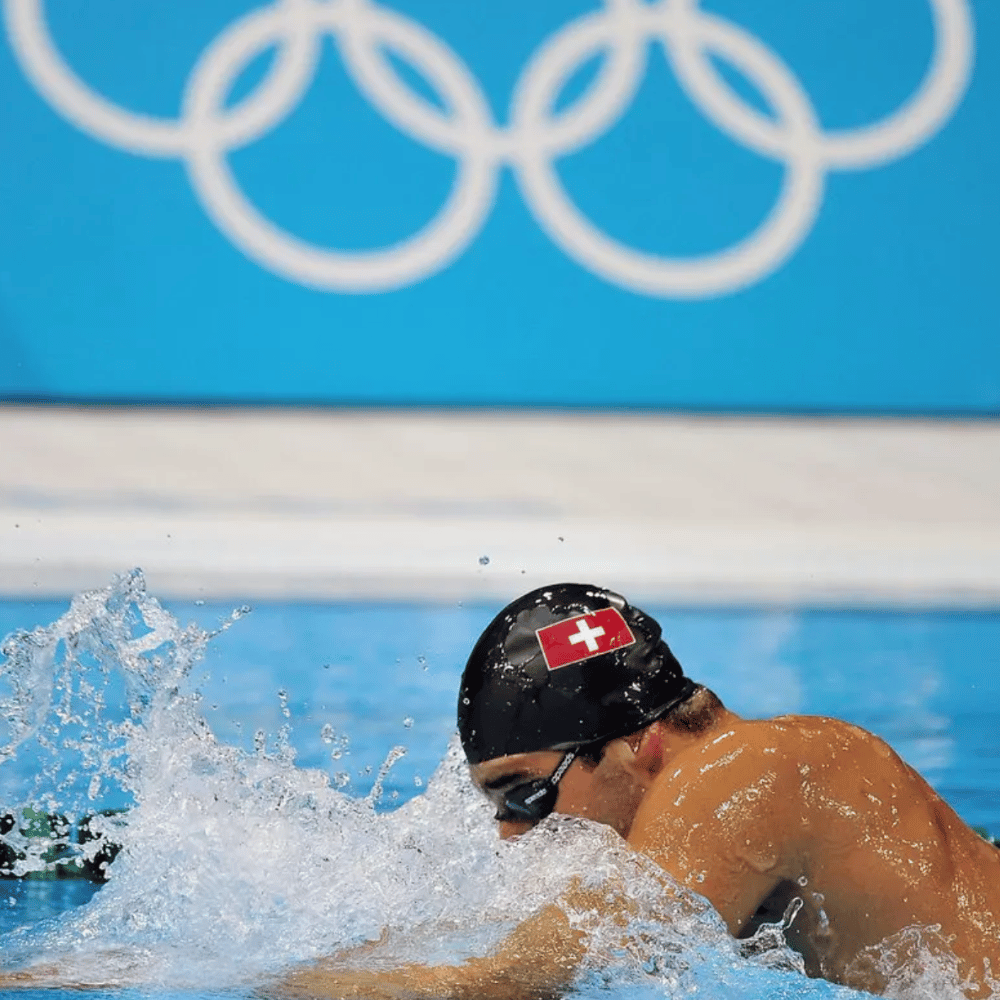
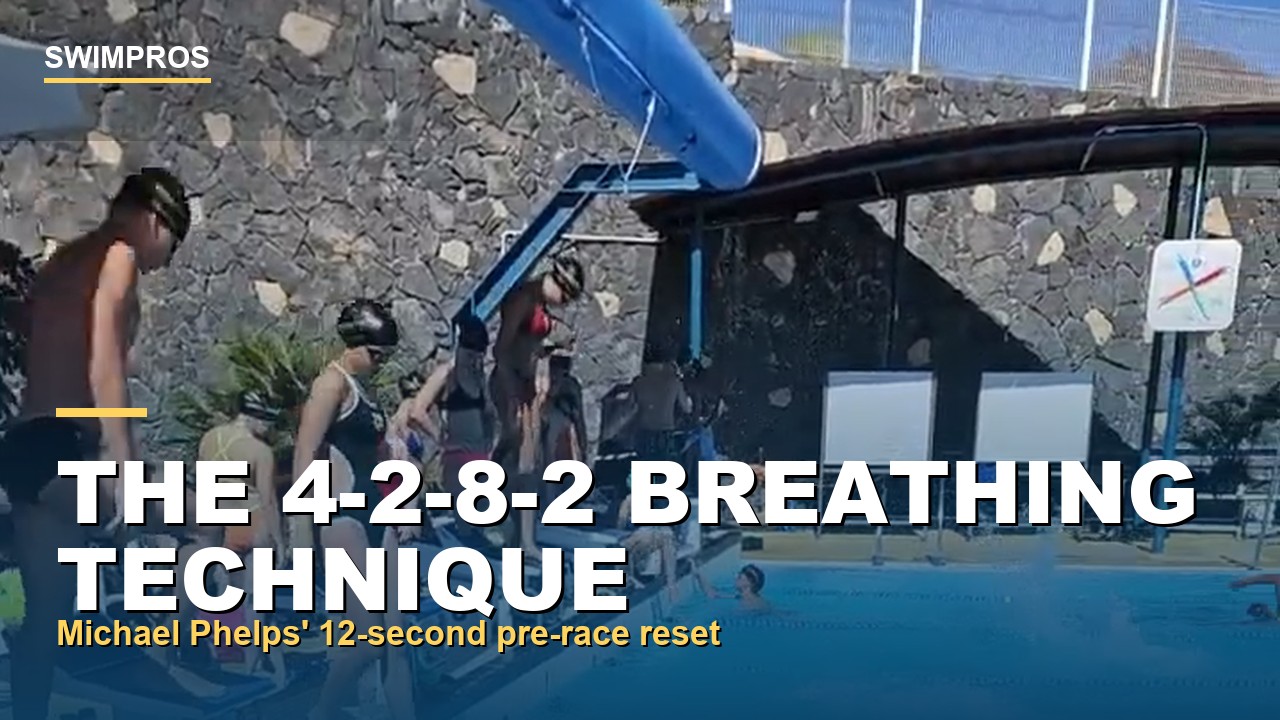
I am David Karasek, an Olympian and Swiss record holder, and this is the single technique I teach first to every swimmer who trains great and then tightens up when it counts. I taught it to the junior group on day 8 of our summer camp in Tenerife, two days before their race day. Here is that session in context. 👇
In this article
What the 4-2-8-2 technique actually is
Four numbers, four counts. In for 4, hold for 2, out for 8, hold for 2. It is named after Michael Phelps, the most decorated Olympian in history, because it belongs to the family of slow, deliberate breathing that swimmers at that level use to arrive at the blocks in control rather than in a panic.
The important thing is not the name. It is that the pattern is short enough to actually use. A relaxation exercise that needs a quiet room and twenty minutes is worthless behind the blocks. This one takes about 12 seconds and roughly five minutes to learn.
How to do it, step by step
- Close your eyes. Not essential, but it makes the whole thing easier the first few times.
- Empty the lungs completely. Everyone skips this. Do not. You cannot take a full breath in on top of a half-full set of lungs.
- Breathe in for a count of 4, through the nose. Belly first. Put a hand on your belly button and feel it move before the chest does, then fill the lower lungs and finally the upper lungs.
- Hold for 2 at the top.
- Breathe out for a count of 8, through the mouth. Slow and controlled, all the way to empty.
- Hold for 2 at the bottom. Then start the next round.
One round takes seconds. Three rounds still takes under a minute, which is less time than a swimmer spends standing behind the blocks waiting for the heat in front to finish.
Why it works
Two things happen when a swimmer gets nervous. The body flips into a stress response it was never asked for, and time distorts, so the wait behind the blocks stretches out and the mind fills the gap with everything that could go wrong.
Slow, deliberate breathing addresses both. The long exhale is the part doing the work, which is why the counts are deliberately lopsided: out for twice as long as in. And because the swimmer has to count, attention has somewhere to go that is not the scoreboard, the other lane, or the parent in the stands.
It is like a magic trick, except it is not magic. We are just working with the nervous system.
I have taught this to eight year olds and it still works. That is not because children are suggestible. It is because breathing is one of the few doors into the nervous system that a nervous person can actually reach for in the moment.
When to use it, and not just for swimming
Behind the blocks. In the call room. On the walk to the pool. Any point where the nerves are climbing and the race has not started yet.
But the reason I care about teaching this to teenagers is that it does not stay in the pool. The same 12 seconds work before an exam. Before a speech. Before a first date. Before any moment where the pressure is running ahead of the person. We use competitive swimming to teach these kids skills they will need long after they stop racing, and this is one of the most portable ones we have.
How we teach it at camp
On day 8 of our summer camp in Tenerife the juniors had a mental session on how to stay calm and locked in before an important race, and 4-2-8-2 was the practical piece they walked away with. Two days later they raced 50s, which is exactly the point. A technique the swimmer has only heard about is worthless. A technique they have rehearsed and then used under real starting-block pressure becomes something they own.
That is the pattern for anything mental we teach: learn it on dry land, rehearse it in training, then test it on a day that actually counts. If it does not survive that last step, it was never a skill, just an idea.
Key takeaways
- In for 4, hold 2, out for 8, hold 2. Empty the lungs before you start.
- The long exhale does the work, so never shorten it to match the inhale.
- About five minutes to learn, about 12 seconds to run.
- It works before an exam, a speech or an interview, not only before a race.
- Rehearse it in training, then use it on a day that counts, or it never becomes a real skill.
Frequently asked questions
What is the Michael Phelps 4-2-8-2 breathing technique?
Empty the lungs, breathe in through the nose for 4 starting in the belly, hold for 2, breathe out through the mouth for 8, hold for 2. That is one round, and it takes about 12 seconds.
When should a swimmer use it?
Behind the blocks, in the call room, or on the walk to the pool. It also works before an exam, a speech or an interview.
How long does it take to learn?
About five minutes to learn and seconds to run, which is the whole point. Anything longer is unusable in the moment it is needed.
Why is the exhale longer than the inhale?
The long exhale is what shifts the body out of a stress response, so the counts are deliberately lopsided rather than even.
About the author. David Karasek is a Swiss Olympian (London 2012, 200m IM) and Swiss national record holder (2:01.35). He swam NCAA Division I for the University of Virginia before representing Switzerland at the Olympics. He is the founder of Swimpros, Europe's most popular performance swim camp right now, where he coaches the race-day mental game for competitive swimmers.
Want your swimmer taught this properly?
We teach the race-day mental game every day at Swimpros, Europe's most popular performance swim camp right now. See the dates and the coaches.
See the campMore for swim parents
🌊 Connect with Swimpros
Performance camp (swimpros.com) · Free Skool group · YouTube · Instagram · Facebook · LinkedIn