The Real Reason Your Swimmer Underperforms at Meets
Short answer: The real reason swimmers underperform at meets is pre-race mental fatigue, not nerves. In a study of 147 national-level youth swimmers, anxiety barely moved race results.. it was that heavy, sluggish, flat feeling that predicted slower swims, and confidence predicted who felt fresh. So the smartest place for a swim parent's energy is building real confidence in the months before the meet, not chasing calm on race morning.
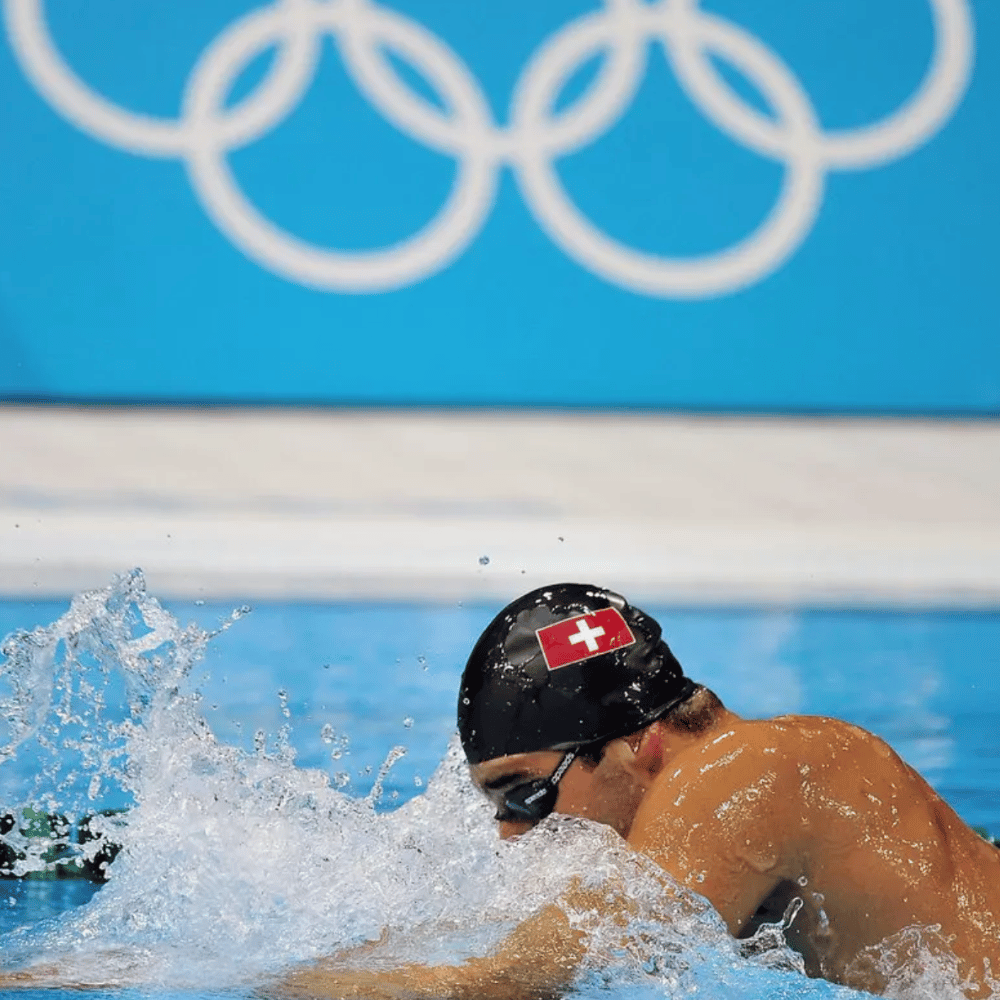
I am David Karasek, Olympian and former Swiss record holder in the 200m IM, and this research matches exactly what I see coaching competitive swimmers at Swimpros. Here is what the study found and what to do with it. 👇
If it's not nerves, what makes my swimmer race flat?
Mental fatigue, not anxiety, is the strongest predictor of a flat race. The study tracked 147 national-level youth swimmers, measuring anxiety, confidence and fatigue at two meets, then matched those readings against race results and how satisfied the swimmers felt afterward. The anxiety numbers barely moved the needle. It was the fatigue numbers that predicted performance: swimmers who showed up with higher pre-race fatigue.. not just tired legs, but that heavy, sluggish mental flatness.. swam slower and walked away less happy with their swims.
In plain terms: the swimmer who feels fresh outperforms the swimmer who feels heavy, almost regardless of how nervous either one is. Which completely reframes what a parent should be watching for in the warm-up area.
Why does confidence make a swimmer feel fresher?
In the same research, confidence predicted fatigue: the swimmers who arrived genuinely confident reported feeling fresher before they even dove in. The chain looks like this:
More confidence → less perceived fatigue → better results
Confidence doesn't just change what happens between your swimmer's ears. It changes how heavy or how fresh they feel standing behind the blocks, and that's what shows up in the time.
So chasing "calm" on race morning is treating a symptom. The deeper lever is real confidence, built steadily in the weeks and months before the meet. Get that right and the freshness, and the swimming, tends to follow.
Where should swim parents focus instead?
Put your energy into confidence and mental freshness, in that order, and stop over-indexing on nerves.
Build confidence early, not at the meet. Confidence is banked over a season through stacked small wins, not summoned in the ready room.
Protect mental freshness. Sleep, downtime and a calm meet routine matter as much as the physical taper. A wired, over-scheduled swimmer arrives "heavy."
Watch for flatness, not butterflies. A nervous-but-confident-and-fresh swimmer is in great shape.
Building that durable race-day confidence is the whole point of the free Swimpros Skool group, and it is what swimmers walk away with from the Swimpros Performance Accelerator, Europe's most popular performance swim camp right now, where the confidence is earned through real reps, not hype.
🔑 Key takeaways
In a study of 147 young swimmers, anxiety predicted race results far less than fatigue did.
The swimmer who feels fresh outperforms the one who feels heavy.
Confidence predicted freshness, so it's the upstream lever.
Build confidence over months; don't try to manufacture calm at the meet.
Swim parent FAQ
My swimmer seems rested but still races flat. How?
Physical rest and mental freshness aren't the same thing. A swimmer can sleep well and still arrive mentally heavy from stress, pressure or low confidence. That heaviness is what the research flagged.
So should I stop worrying about nerves entirely?
Not entirely, but reprioritize. A confident, fresh swimmer who's also nervous usually races well. Put your energy into confidence and freshness first.
How do you build race-day confidence in the first place?
Stacked evidence: small daily wins, process goals, visualization and a calm pre-race routine, repeated over a season until your swimmer simply expects to perform.
Build the confidence that shows up in the time
In the free Swimpros Skool group I share the exact routine I use to build durable, race-day confidence with competitive swimmers, the upstream lever the research points to. Free to join, 30 seconds to start.
Join the free Swimpros Skool group →
Next meet, when you catch yourself scanning your swimmer for nerves, remember what the research actually says: the quiet winner is the swimmer who feels fresh and believes they're ready. Build that, and the times take care of themselves.
More on swimmer confidence & mindset