The No-Nag Method: A Screen-Time Deal Your Swimmer Signs
Short answer: Nagging a 12-to-15-year-old about their phone almost always backfires — research on over 10,000 adolescents found that parental control of screens is linked to more screen time, not less. What works instead is a one-page agreement your swimmer co-writes and signs themselves, tracked like a training log. We call it the No-Nag Method, and over 100 Swimpros families are running it right now.
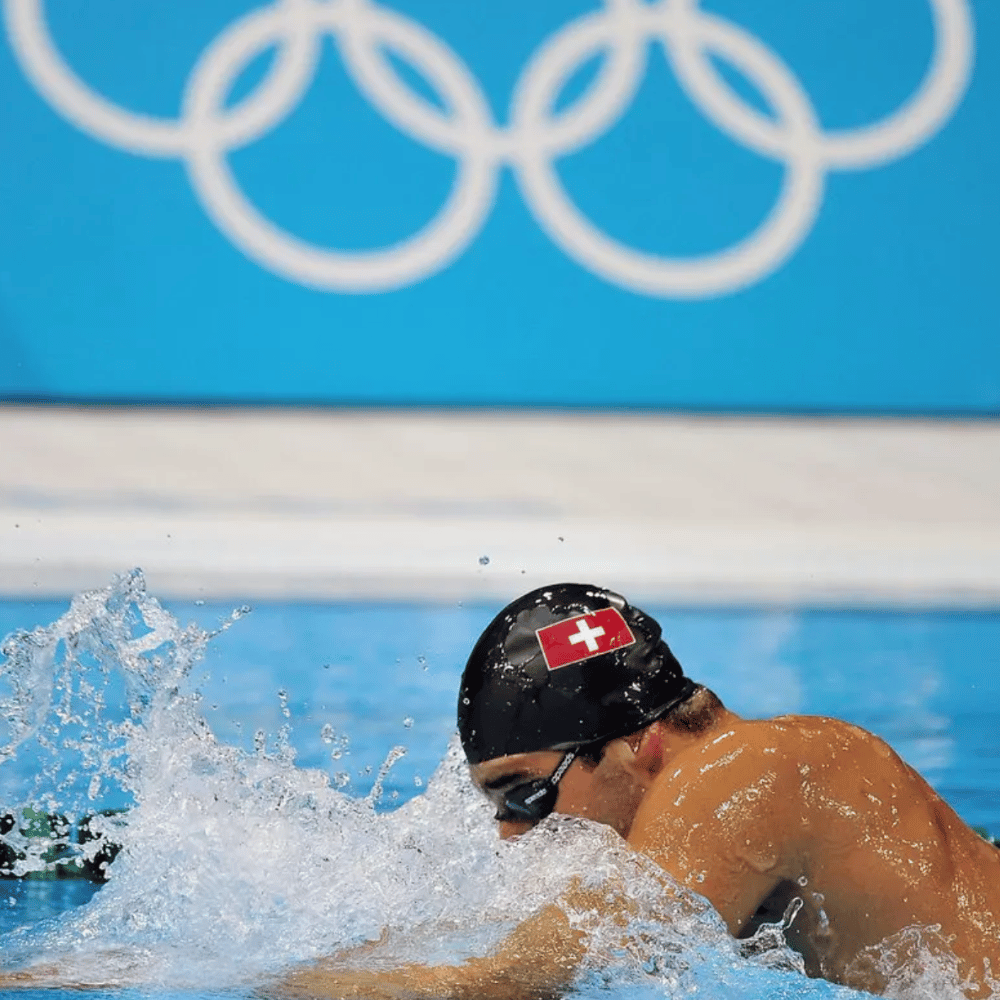
I am David Karasek, an Olympian and Swiss record holder in the 200m IM, and I coach the mental side of racing for hundreds of competitive swimmers. A few weeks ago a swimmer texted me: "I want to swim, but I don't feel very motivated." So we opened his screen time. What we found there explained more about his flat training than anything happening in the pool. That conversation became the No-Nag Method, and I ran the first full round of it live inside our free Swimpros community on Skool.
In this article
Why nagging stops working around age 12
The instinct to make a new rule is understandable. It's also the thing most likely to backfire. A 2025 study in Pediatric Research followed over 10,000 adolescents aged 12-13 and found that when parents used screens to control behavior, it was associated with higher screen time and more problematic video game use. Calm parental monitoring, without the control, was linked to lower screen time instead. The rule itself isn't the problem. Who it comes from is.
This tracks with a separate 2025 study of 9,519 adolescents tracked from age 9-10 to 12-13: screen time rose by more than 3 hours a day across three years, while sleep duration quietly fell across the same period. For a swimmer whose whole training block depends on recovery, that's not a parenting footnote. That's a performance variable.
Here's the part most parents miss: a rule imposed from outside a 13-year-old triggers resistance almost by design. An agreement they helped write doesn't. That single distinction is the entire method.
What the No-Nag Method actually is
It's not a stricter rule. It's a different process, built on five steps:
1. Identify the need. Screen time is never really about the screen. It's meeting a need — distraction, stress relief, connection, boredom relief, belonging. Ask your swimmer directly: what does this actually give you? You can't replace what you haven't named.
2. Change the environment, not the kid. Once you know the need, find something else that meets it. Bored and want connection? A trampoline park with friends does the same job a scrolling session does, minus the 500 hours a year it quietly costs.
3. Sign the agreement together. Not a rule you impose — a one-page contract you co-write. Ours is called the No-Nag Agreement, and the difference is simple: a swimmer defends a plan they helped build. They resent one that was handed to them.
4. Track it like a training log. Screen time, sleep, and morning energy, logged daily. A 2019 self-monitoring study in youth behavior change found tracking combined with goal-setting outperformed almost every other intervention type — the same reason a training log works better than a coach's memory. Once a swimmer sees last week's number, beating it becomes the game.
5. Let the results shift the identity. This is the part that makes it stick without a single reminder from you: better sleep shows up as better times in the pool. Once a swimmer starts thinking of themselves as someone who protects their recovery, they defend the habit on their own. That's internal motivation, and it's the only kind that survives you leaving the room.
The 3-question baseline check you can run tonight
This is the exact opener we used to launch the first round of the No-Nag Method — no app, no lecture, five minutes at the kitchen table.
Baseline screenshot. iPhone: Settings → Screen Time → See All Activity → Week. Android: Settings → Digital Wellbeing → the bar chart → Week.
The WHY. Swimmer and parent each write their own honest reason for wanting less screen time. No wrong answers.
The WHAT. What does it actually give you — distraction, boredom relief, feeling connected? Naming it is step one of replacing it.
Two easy wins to add immediately, straight from the agreement: no phones at the dinner table, parents go first, and phones away 30 minutes before bed. That's the entire parent job in this method. Everything else belongs to the swimmer.
What Swimpros families are actually saying
When we opened the baseline check inside the community, the honesty is what stood out. From swimmers:
I think I am just doing it to not have to do the stuff I really have to do... if I check social media I feel like I then know the new trends and what happened, and I don't want to feel left out. - Liv, 13, Swimpros community
And from parents, watching from the other side:
She's consuming so much mindless content that there's little room left for boredom, creativity, or simply being present in real life. - Nadja, Swimpros parent
When he is not on his phone so much, he is more relaxed and we end up having nicer conversations, which I really enjoy. - Galabina, Swimpros parent
Even I signed my own version. Small honest detail: I'm having my wife co-sign our son's agreement instead of grandparents. As I told the group, she has more leverage than my parents these days — use whoever actually has it in your house.
Key takeaways
Controlling screen use from outside is linked to MORE screen time in adolescents, not less — monitoring without control works better.
Screen time rose over 3 hours/day across 3 years in a 9,500-adolescent study, while sleep fell — a direct recovery cost for athletes.
The method: identify the need, change the environment, co-sign an agreement, track it daily, let results shift the identity.
Start tonight with 3 questions: baseline screenshot, the WHY, the WHAT it actually gives them.
The only parent rule: no phones at dinner, phones away 30 minutes before bed. Everything else belongs to the swimmer.
Frequently asked questions
Why doesn't nagging my swimmer about screen time work?
Research on over 10,000 adolescents found that parents using screens to control behavior was linked to HIGHER screen time and more problematic use, while calm monitoring was linked to lower use. Rules imposed from outside trigger resistance once kids hit 12-13; agreements built together don't.
What is the No-Nag Method?
A collaborative process: identify what need the screen time is actually meeting (boredom, connection, stress relief), replace it with something that meets the same need, co-write a one-page agreement with your swimmer instead of imposing rules, then track screen time, sleep, and morning energy so progress becomes a game they want to win.
How much should a competitive swimmer's screen time be?
There's no universal number — the point of the agreement is that your swimmer sets their own target based on their own baseline. As a reference, a 2025 study of over 9,500 adolescents found screen time rose by over 3 hours a day across 3 years while sleep duration fell, which matters directly for a training athlete's recovery.
What's the parent's only job in the No-Nag Method?
Model it and stay out of the analysis. Two concrete moves: no phones at the dinner table (parents go first) and phones away 30 minutes before bed. Save any correction for a calm day, never mid-scroll.
About the author. David Karasek is an Olympian and Swiss record holder in the 200m IM, and the founder of Swimpros, Europe's most popular performance swim camp right now. He coaches the race-day mental game for competitive swimmers across Europe and beyond — including, this month, the phone in their pocket.
Want the printable No-Nag Agreement?
The full one-page agreement, the original Day 1 and Day 2 recordings, and 75+ real family baselines are all inside our free Swimpros group on Skool. Join and grab the PDF.
You can also read the original threads and download the agreement directly: Day 1 — the baseline challenge and Day 2 — the Screen-Time Agreement PDF.
More for swim parents
🌊 Connect with Swimpros
Performance camp (swimpros.com) · Free Skool group · YouTube · Instagram · Facebook · LinkedIn