How to Prepare Your Swimmer for Disappointment
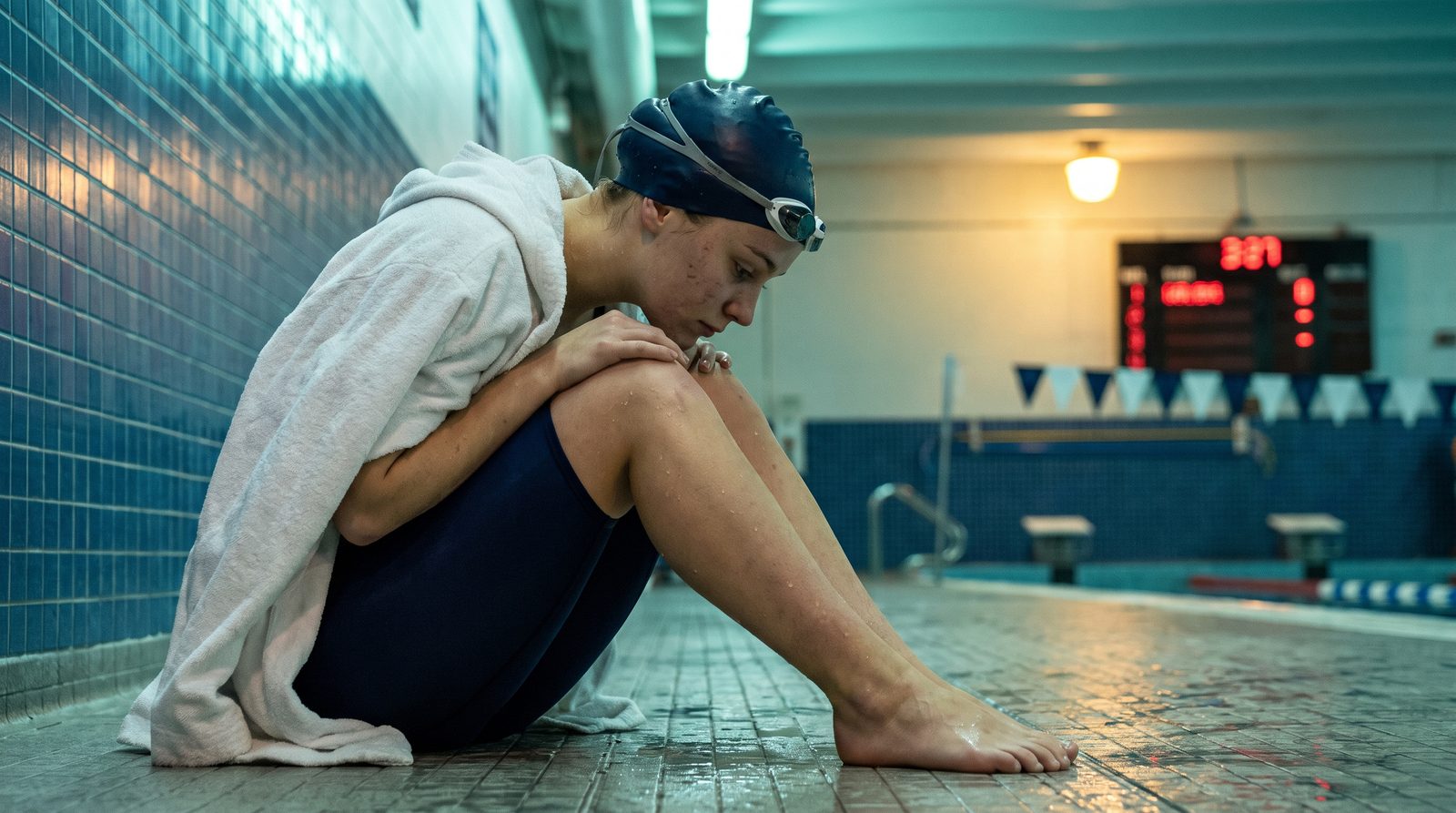
Short answer: You prepare a swimmer for disappointment before it happens, not after. Disappointment in competitive swimming is guaranteed.. a bad heat, a missed cut, a plateau, a teammate who suddenly passes them. The swimmers who last are not the ones who avoid it. The parents who prepare early raise swimmers who outlast the hard seasons. Here is how.
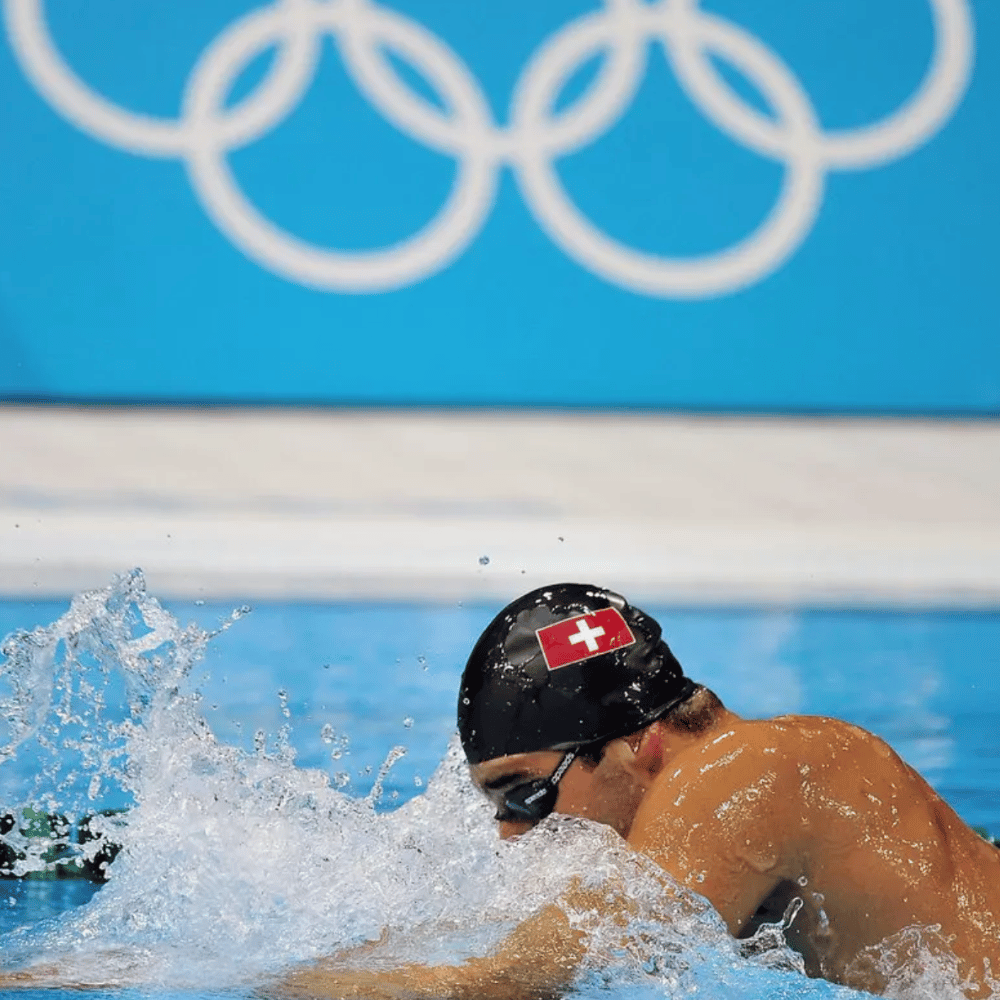
I am David Karasek, an Olympian and Swiss record holder in the 200m IM, and through Swimpros I coach the mental side of racing for hundreds of competitive swimmers. In nearly every conversation with a worried parent, the real fear underneath is the same: I just want my kid to be happy, and I hate watching this sport hurt them. So let me show you what to actually do about it.
Will my swimmer get disappointed in competitive swimming?
Yes, guaranteed. Competitive swimming is built on a scoreboard that does not lie and a clock that does not care how hard you trained. Over a season your swimmer will swim more races they are unhappy with than races they are thrilled by. That was true for me as an Olympian and it is true for every age-group kid.
Why it matters: roughly 7 in 10 kids drop out of organised sport by the age of 13. And when researchers at the University of Alberta studied why children quit competitive swimming specifically, the number one driver was not training load.. it was relationships and how the sport made them feel. Kids rarely quit because it got hard. They quit because nobody helped them carry the disappointment, so it quietly turned into dread. The disappointment itself is not the threat. Being unprepared for it is.
Why is disappointment the point, not a detour?
Every breakthrough is built on a pile of disappointing races first; the setbacks are the progress, if the swimmer is taught to read them that way. A real example from the Swimpros community: Paul arrived as, in his own words, an insecure, nervous, overthinking teenager who kind of sucked in competition under pressure. Three years of exactly the disappointment you are afraid of. Then it turned: Paul broke a Swiss national record in 7:54.92 and qualified for the European Championships.
Trust the Swimpros process.. this stuff works like nothing you have seen before. - Paul, after his national record
The version of Paul who set that record was forged in the disappointing years, not in spite of them. A disappointing season is not evidence your child is failing. It is very often the season right before the one that changes everything. I went through the same arc on my own way to an Olympic record.
How do you prepare your swimmer before it happens?
Do the prep work on a calm Tuesday, not in the wreckage of a bad Saturday. You cannot teach perspective to a crying 12-year-old on the pool deck. Four things move the needle:
1. Separate the swimmer from the swim. Make it a family rule that the clock measures the race, never the child. A slow swim is information, not a verdict on who they are.
2. Agree on what a good race means before they get on the blocks. If the only definition of success is a personal best, your swimmer will be disappointed most weekends. Define success as the things they control.. their start, their breathing pattern, their first 15 metres, racing brave. Here is how we set swim goals that do not backfire.
3. Teach them that nerves are fuel, not a warning light. One of our swimmers, Florian, put it perfectly after German Nationals:
I was extremely nervous, but I would not say it was holding me back. I was able to use the adrenalin for an extra push. - Florian, Swimpros community
4. Give them a reset they can run on autopilot. Disappointment is only dangerous when it bleeds from one race into the next. A simple, rehearsed reset between events stops the spiral. This is the exact reset we teach.
What do you do when the disappointment actually hits?
When it lands, your job is connection, not correction. Nothing you say in the next ten minutes will change the time, but it can change whether your swimmer wants to get back on the blocks next month. Three moves, in order. First, give it space.. let the emotion be real for a beat. Second, lead with warmth, not analysis.. a calm I love watching you swim does more than any technical breakdown. Third, reconnect them to why they started before you ever talk about how to improve. Save the analysis for the next day, never the car ride home.
And hold the long view: comebacks are the rule once a swimmer is supported through the dip. Akira was stuck and frustrated for months in the Swimpros community before dropping a full 6 seconds in the 200 fly. A mum whose daughter had not improved her 100 back in a year watched her use one breathing technique, hit a personal best, and come off the water beaming. She wrote: I have not seen this smile in a while now. Every one of those families sat through real disappointment first.
The kids who make it are not the ones who never get knocked down. They are the ones who were taught, ahead of time, that getting knocked down is part of the deal.
Key takeaways
Disappointment is certain in competitive swimming. Prepare for it, do not try to prevent it.
Kids quit over feelings and relationships, not training load, so protect the meaning of the sport for them.
Prep on calm days: separate the swimmer from the swim, define success by what they control, reframe nerves as fuel, and rehearse a reset.
When it hits, connect before you correct. Analysis can wait until the next day.
A disappointing season is often the one right before the breakthrough.
Frequently asked questions
Is it normal for my swimmer to be very upset after a race?
Yes. Big emotion after a bad swim means they care, not that something is wrong. The goal is not to remove the disappointment, it is to teach them to move through it and reset for the next race.
Should I let my swimmer quit after a string of bad meets?
Usually not in the heat of a bad patch. Research from the University of Alberta found kids quit competitive swimming mainly over relationships and enjoyment, not training load. Fix the support and the meaning first, then decide from a calm place, not a disappointed one.
How do I talk to my swimmer right after a disappointing swim?
Connect before you correct. Give it time, lead with a calm I love watching you swim, and let them talk first. Save any analysis for the next day, never the car ride home.
At what age does swim disappointment hit the hardest?
Most often around 11 to 14, when times stop dropping as fast, friends move up or quit, and the sport gets more serious. Preparing your swimmer before this window matters more than reacting after it.
About the author. David Karasek is an Olympian and Swiss record holder in the 200m IM, and the founder of Swimpros, Europe's most popular performance swim camp right now. He coaches the race-day mental game for competitive swimmers across Europe and beyond.. the kids who train brilliantly but fall apart when it counts.
Want the exact tools we teach swimmers to handle disappointment?
Join our free Swimpros Skool group. I share breakdowns like this every week, plus the mental frameworks my swimmers use to bounce back and race brave.
More for swim parents
🌊 Connect with Swimpros
Performance camp (swimpros.com) · Free Skool group · YouTube · Instagram · Facebook · LinkedInRelated reading